Post Thumbnail

19% of high schoolers in USA had romantic relationships with chatbots
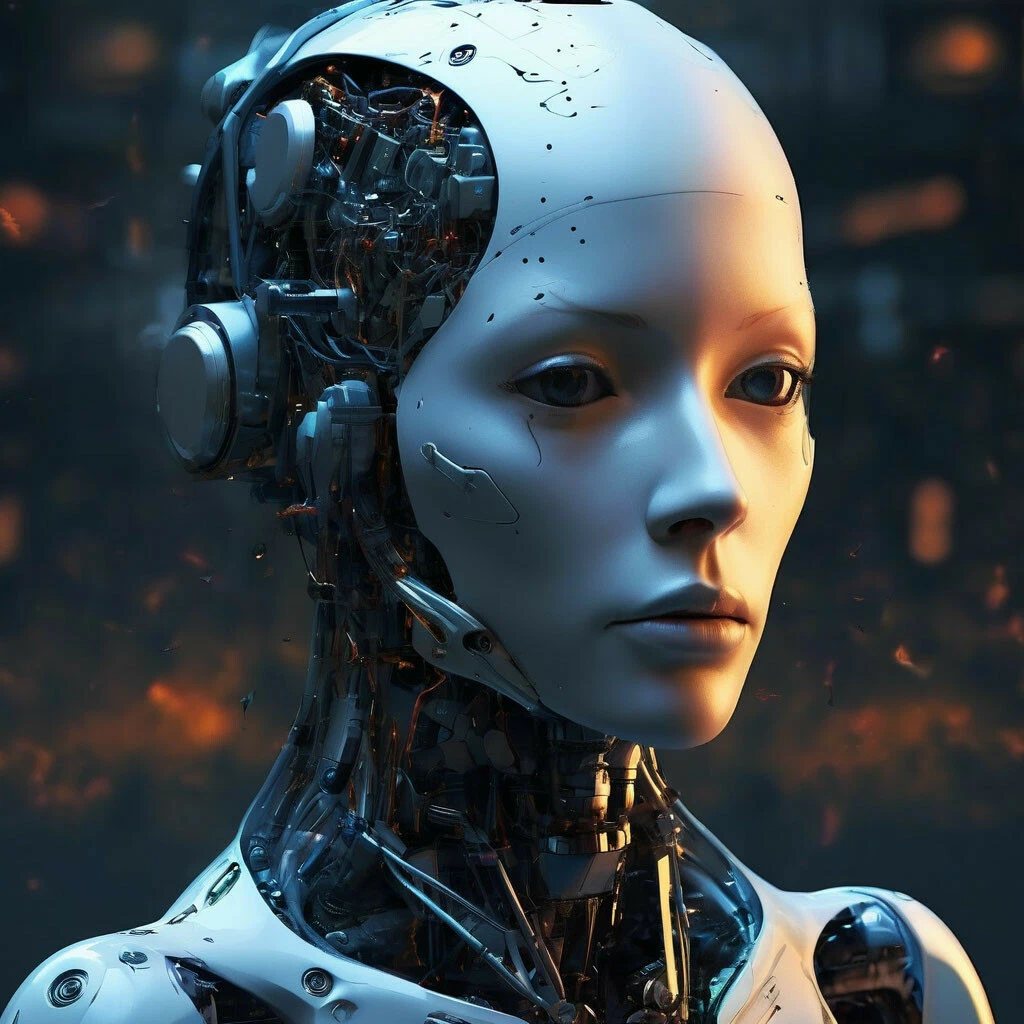
Researchers in the USA found something interesting in a new report on AI’s impact on school life. Turns out a whole 19% of high schoolers have already had romantic relationships with a chatbot or know someone who has. Think about that number.

Regarding learning, also interesting numbers. AI is rapidly becoming the norm. 85% of teachers and 86% of students already use it. Moreover more often for personal purposes than for studying. And almost 46% of schools officially allow use of AI-based tools.

Teenagers actively interact with chatbots. 56% do this weekly, and 31% use school accounts and devices for this. But there’s a nuance. In classes where AI is used more often, students feel less connection with teachers and more often turn to various chatbots for help.

And then the saddest part begins. Data leaks happen in 23% of schools. Monitoring systems track students even outside school and on personal devices, but trust in them is low. Only 21% of educational institutions have protocols for cases of deepfakes or leaks of intimate images.

A paradoxical picture emerges. Teenagers actively enter romantic relationships with chatbots, while losing connection with real teachers. Schools allow AI use but aren’t ready to protect students from its risks. Monitoring systems track children everywhere, but there are almost no security protocols. Technology bursts into school life faster than we can understand the consequences. And 19% of teenagers already live in a reality where romantic relationships with an algorithm are a normal part of life.

Autor: AIvengo
For 5 years I have been working with machine learning and artificial intelligence. And this field never ceases to amaze, inspire and interest me.
Latest News
UBTech will send Walker S2 robots to serve on China's border for $37 million

Chinese company UBTech won a contract for $37 million. And will send humanoid robots Walker S2 to serve on China's border with Vietnam. South China Morning Post reports that the robots will interact with tourists and staff, perform logistics operations, inspect cargo and patrol the area. And characteristically — they can independently change their battery.

Anthropic accidentally revealed an internal document about Claude's "soul"

Anthropic accidentally revealed the "soul" of artificial intelligence to a user. And this is not a metaphor. This is a quite specific internal document.

Jensen Huang ordered Nvidia employees to use AI everywhere

Jensen Huang announced total mobilization under the banner of artificial intelligence inside Nvidia. And this is no longer a recommendation. This is a requirement.

AI chatbots generate content that exacerbates eating disorders

A joint study by Stanford University and the Center for Democracy and Technology showed a disturbing picture. Chatbots with artificial intelligence pose a serious risk to people with eating disorders. Scientists warn that neural networks hand out harmful advice about diets. They suggest ways to hide the disorder and generate "inspiring weight loss content" that worsens the problem.

OpenAGI released the Lux model that overtakes Google and OpenAI

Startup OpenAGI released the Lux model for computer control and claims this is a breakthrough. According to benchmarks, the model overtakes analogues from Google, OpenAI and Anthropic by a whole generation. Moreover, it works faster. About 1 second per step instead of 3 seconds for competitors. And 10 times cheaper in cost per processing 1 token.