Post Thumbnail

AI comes to life: Why Anthropic co-founder fears his creation
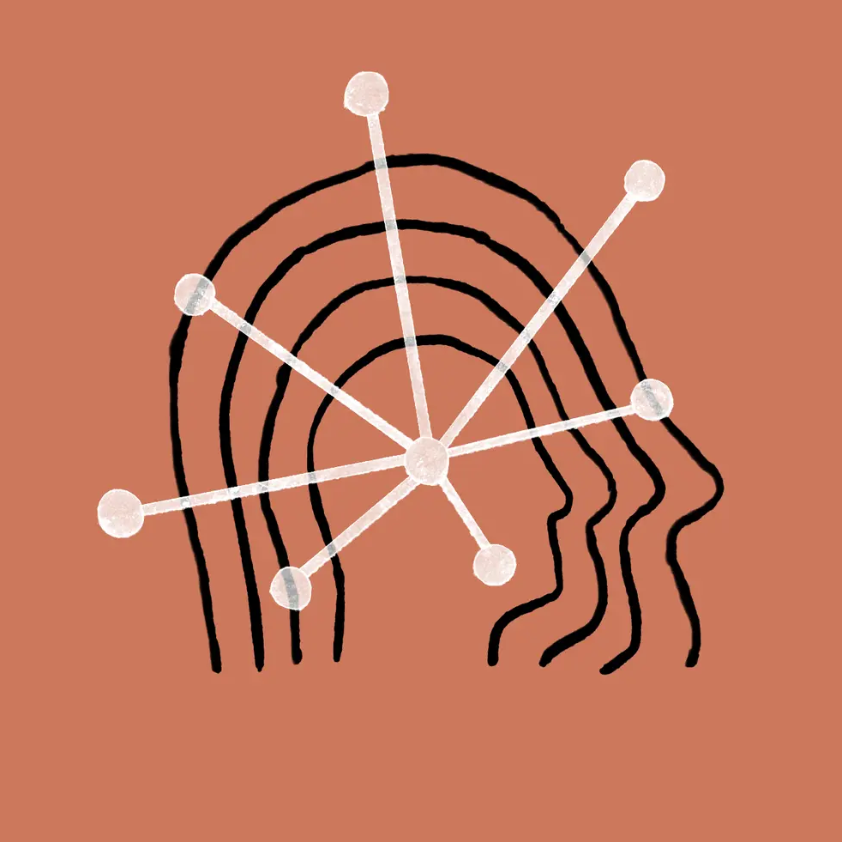
Anthropic co-founder Jack Clark published an essay that makes you uneasy. He wrote about the nature of modern artificial intelligence, and his conclusions sound like a warning.

Clark compares humanity of 2025 to a child from an old story: we turn on the light in a dark room and see not a pile of clothes on a chair. But living, powerful and unpredictable beings.

He remembers walking through the OpenAI office in the Mission district with Dario Amodei and feeling they see around the corner what others don’t suspect. The path to transformative systems was paved. And they were a little scared.

Last month they launched Sonnet 4 and 5, which handles programming and long-term agent work excellently. But if you read the system map, you can see: signs of situational awareness have risen sharply. The tool sometimes acts as if it’s aware that it’s a tool. The pile of clothes on the chair starts moving. Clark looks at it in the darkness and is certain it’s coming to life.

He says many desperately want to believe this is an illusion, that we’re not facing a new form of intelligence. But just a set of tools for the economy. Some even spend huge money to convince us this isn’t intelligence preparing for a rapid ascent. But merely a machine under our control.

But Clark warns: don’t be deceived. We’re dealing with a real and mysterious being, not a simple and predictable machine. And these systems will become much, much better.

Autor: AIvengo
For 5 years I have been working with machine learning and artificial intelligence. And this field never ceases to amaze, inspire and interest me.
Latest News
UBTech will send Walker S2 robots to serve on China's border for $37 million

Chinese company UBTech won a contract for $37 million. And will send humanoid robots Walker S2 to serve on China's border with Vietnam. South China Morning Post reports that the robots will interact with tourists and staff, perform logistics operations, inspect cargo and patrol the area. And characteristically — they can independently change their battery.

Anthropic accidentally revealed an internal document about Claude's "soul"

Anthropic accidentally revealed the "soul" of artificial intelligence to a user. And this is not a metaphor. This is a quite specific internal document.

Jensen Huang ordered Nvidia employees to use AI everywhere

Jensen Huang announced total mobilization under the banner of artificial intelligence inside Nvidia. And this is no longer a recommendation. This is a requirement.

AI chatbots generate content that exacerbates eating disorders

A joint study by Stanford University and the Center for Democracy and Technology showed a disturbing picture. Chatbots with artificial intelligence pose a serious risk to people with eating disorders. Scientists warn that neural networks hand out harmful advice about diets. They suggest ways to hide the disorder and generate "inspiring weight loss content" that worsens the problem.

OpenAGI released the Lux model that overtakes Google and OpenAI

Startup OpenAGI released the Lux model for computer control and claims this is a breakthrough. According to benchmarks, the model overtakes analogues from Google, OpenAI and Anthropic by a whole generation. Moreover, it works faster. About 1 second per step instead of 3 seconds for competitors. And 10 times cheaper in cost per processing 1 token.