Post Thumbnail

AI passed Turing test in music
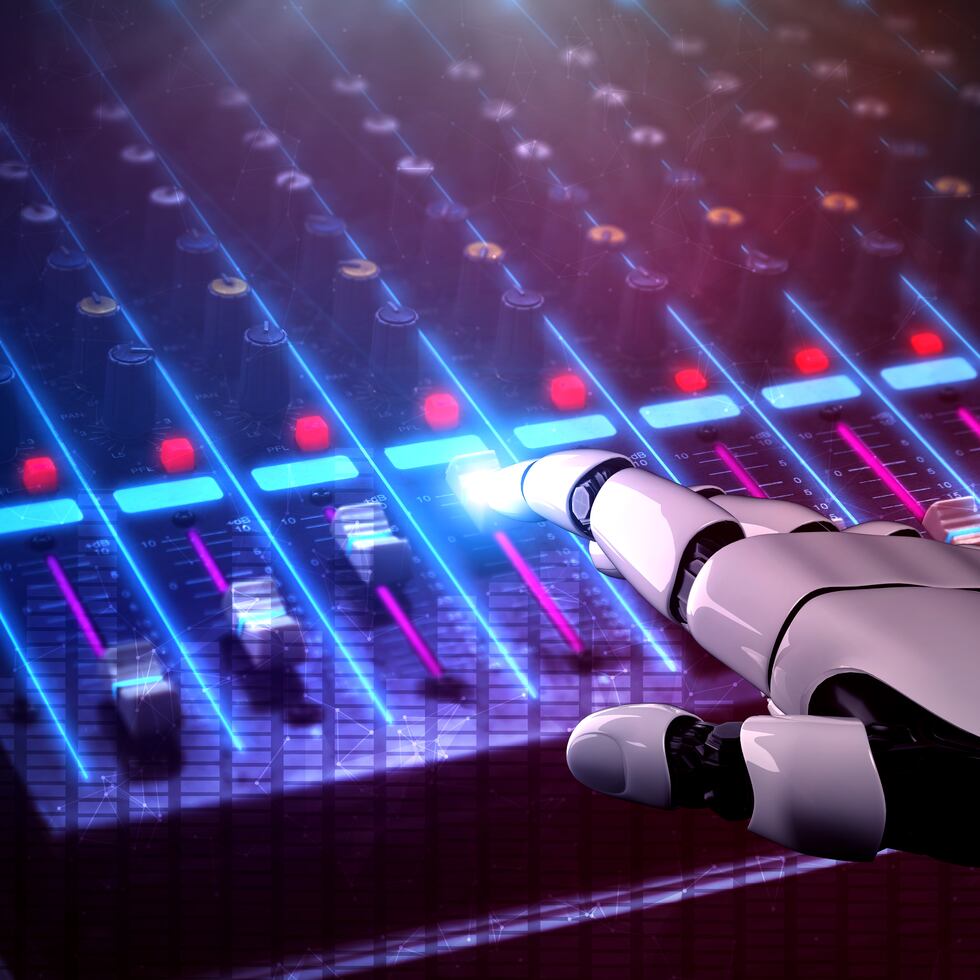
University of Minas Gerais in Brazil conducted an experiment. Participants were given pairs of songs, in each of which was one generated track. They needed to determine which one exactly. And the results were unexpected.

Researchers collected artificial songs from the open Suno library, from YouTube and from Reddit communities.

In the 5th control pair, the participant heard the introduction to Ludwig van Beethoven’s 5th symphony. Answers of those who didn’t recognize it were not counted in the study. In total 308 participants out of 653 finished. Average age – 31 years.

In pairs matched by genre, the overall share of correct answers was 60%, and in random pairs – 53%, “which is statistically indistinguishable from random guessing”, researchers note. In 35% of cases both songs, including the one written by a human, were considered generated.

Recognition probability increased if a person had musical education or instrument experience. Also the number of correct answers was higher among those who themselves tried AI instruments for music generation. The higher the participant’s age, the lower the share of correct answers.

A paradoxical picture emerges. AI passed the Turing test in music. But for musicians there’s also good news for now. The closer the pair was in style, vocals and sounds, the better listeners distinguished AI from live music.

Autor: AIvengo
For 5 years I have been working with machine learning and artificial intelligence. And this field never ceases to amaze, inspire and interest me.
Latest News
UBTech will send Walker S2 robots to serve on China's border for $37 million

Chinese company UBTech won a contract for $37 million. And will send humanoid robots Walker S2 to serve on China's border with Vietnam. South China Morning Post reports that the robots will interact with tourists and staff, perform logistics operations, inspect cargo and patrol the area. And characteristically — they can independently change their battery.

Anthropic accidentally revealed an internal document about Claude's "soul"

Anthropic accidentally revealed the "soul" of artificial intelligence to a user. And this is not a metaphor. This is a quite specific internal document.

Jensen Huang ordered Nvidia employees to use AI everywhere

Jensen Huang announced total mobilization under the banner of artificial intelligence inside Nvidia. And this is no longer a recommendation. This is a requirement.

AI chatbots generate content that exacerbates eating disorders

A joint study by Stanford University and the Center for Democracy and Technology showed a disturbing picture. Chatbots with artificial intelligence pose a serious risk to people with eating disorders. Scientists warn that neural networks hand out harmful advice about diets. They suggest ways to hide the disorder and generate "inspiring weight loss content" that worsens the problem.

OpenAGI released the Lux model that overtakes Google and OpenAI

Startup OpenAGI released the Lux model for computer control and claims this is a breakthrough. According to benchmarks, the model overtakes analogues from Google, OpenAI and Anthropic by a whole generation. Moreover, it works faster. About 1 second per step instead of 3 seconds for competitors. And 10 times cheaper in cost per processing 1 token.