China explores the use of humanoid robots as expendable material in war
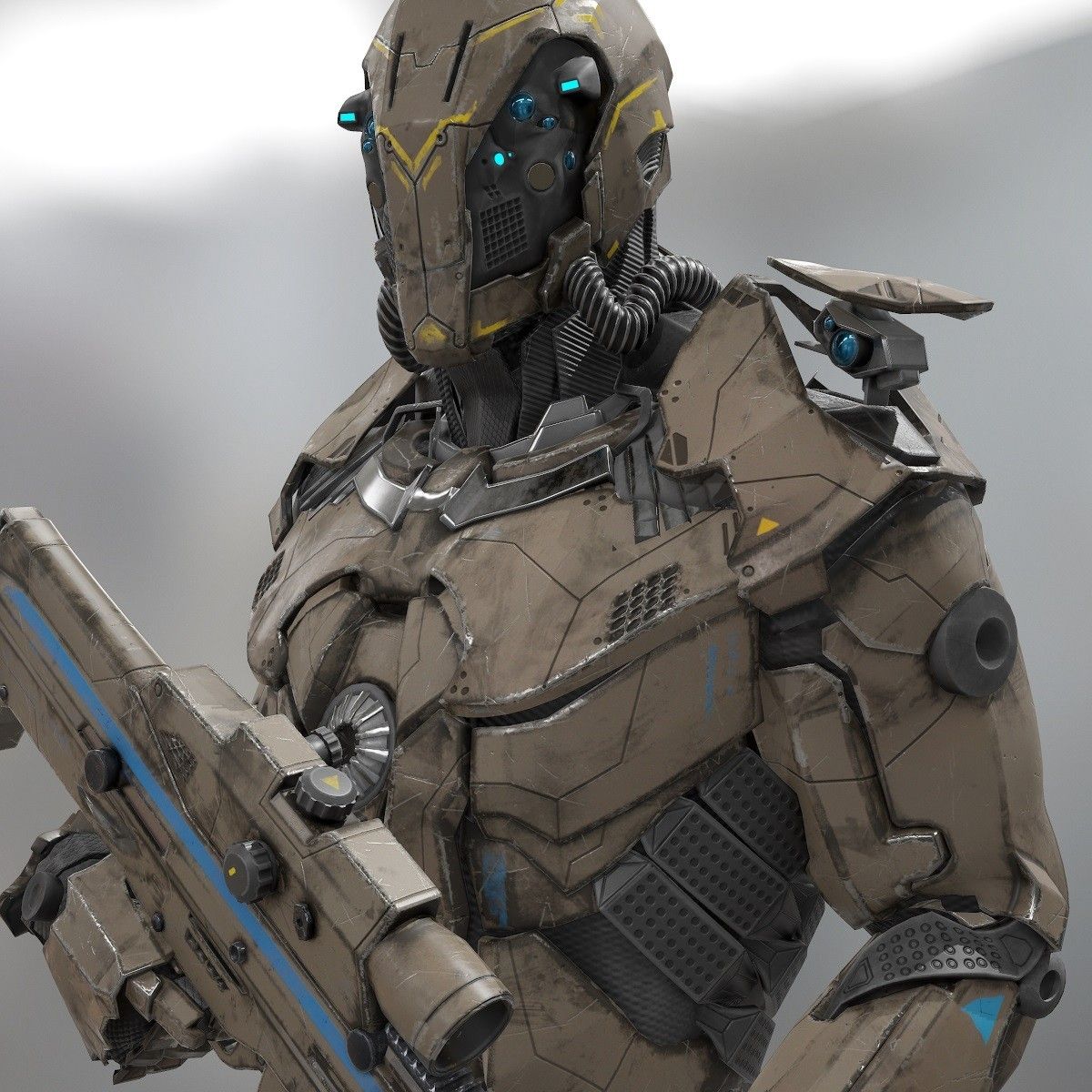
China is opening a new chapter in the history of military technologies, reconceptualizing the role of humanoid robots on the battlefield! And while Western countries are only discussing ethical aspects of such developments, China is already actively researching practical application of humanoids in military operations. The official newspaper of China’s armed forces People’s Liberation Army Daily states that these technologies can fundamentally change our understanding of future wars.
The key advantage of humanoid robots on the battlefield is obvious: like drones, they are expendable material – real “cannon iron”, but at the same time retain many capabilities of modern infantry. At the moment, their application in military logistics is considered more realistic – ammunition and supply delivery, evacuation of wounded, equipment repair in field conditions.
Special attention of China’s People’s Liberation Army was attracted to the Tien Kung Ultra robot, which became one of the winners of Beijing’s humanoid robot half-marathon. Developed by Beijing Innovation Center X-Humanoid, it demonstrated superior movement capabilities in difficult conditions such as ruins and stairs. At the same time, it’s interesting that the main direction of humanoid robotics development in China still remains civilian.
AIvengo >
Reviews >
China explores the use of humanoid robots as expendable material in war
Почитать из последнего
UBTech will send Walker S2 robots to serve on China's border for $37 million
Chinese company UBTech won a contract for $37 million. And will send humanoid robots Walker S2 to serve on China's border with Vietnam. South China Morning Post reports that the robots will interact with tourists and staff, perform logistics operations, inspect cargo and patrol the area. And characteristically — they can independently change their battery.

AI chatbots generate content that exacerbates eating disorders
A joint study by Stanford University and the Center for Democracy and Technology showed a disturbing picture. Chatbots with artificial intelligence pose a serious risk to people with eating disorders. Scientists warn that neural networks hand out harmful advice about diets. They suggest ways to hide the disorder and generate "inspiring weight loss content" that worsens the problem.

OpenAGI released the Lux model that overtakes Google and OpenAI
Startup OpenAGI released the Lux model for computer control and claims this is a breakthrough. According to benchmarks, the model overtakes analogues from Google, OpenAI and Anthropic by a whole generation. Moreover, it works faster. About 1 second per step instead of 3 seconds for competitors. And 10 times cheaper in cost per processing 1 token.