15-year-old astronomer received 250 thousand dollars for star search algorithm
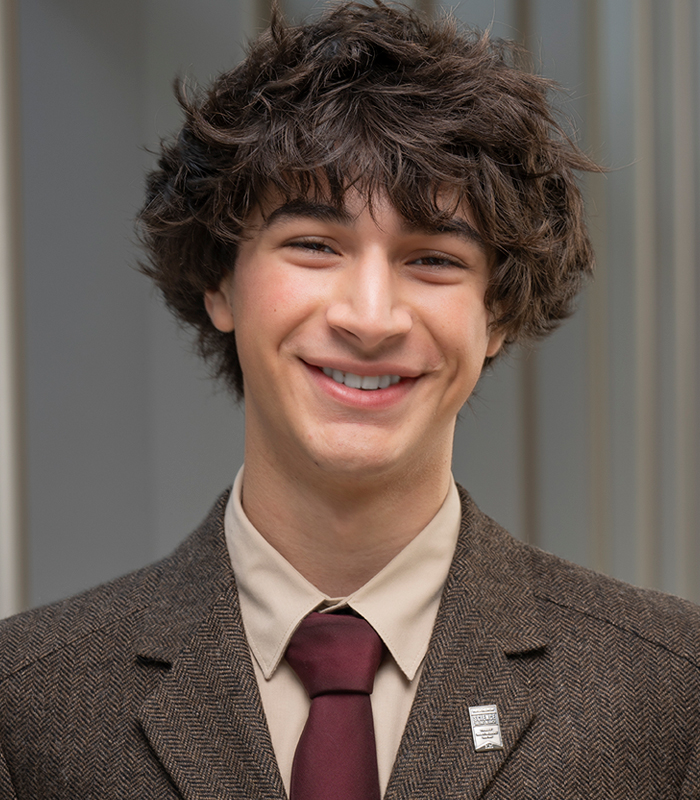
Schoolboy Matteo Paz has been fascinated with space since early childhood. And he developed an artificial intelligence algorithm that discovered 1.5 million space objects that had not been previously recorded. Can you imagine these numbers? I am really surprised!
This algorithm, called VARnet, identifies variable objects in space — such as supermassive black holes and supernova stars. The peculiarity of such objects is that they change their brightness. They flare up, pulsate, or dim during eclipses. It was on their detection that the young researcher focused.
The key factor for success was working with a huge array of raw data. More than 200 terabytes of information collected by the NEOWISE space telescope over 10.5 years of observations. Although the main task of the telescope was monitoring asteroids near Earth, the device recorded many distant objects. Data about which remained unsystematized.
Matteo worked on the project under the guidance of an experienced mentor — astronomer Dave Kirkpatrick from the California Institute of Technology. Where the schoolboy has been participating in educational space study programs since the age of 15. His methodological approach and scientific results received official recognition from the scientific community. The work is published in a peer-reviewed astronomical journal.
And Matteo Paz’s project received high praise. He won a prestigious natural science competition for schoolchildren and received a cash prize of 250 thousand dollars.
And the young researcher himself received his first paid position at his mentor’s research center at Caltech. In the future, Matteo dreams of continuing astronomical research, correctly measuring the speed of the universe’s expansion, and possibly finding new theories of its birth.