AI drone defeats humans for the first time at official races in Abu Dhabi
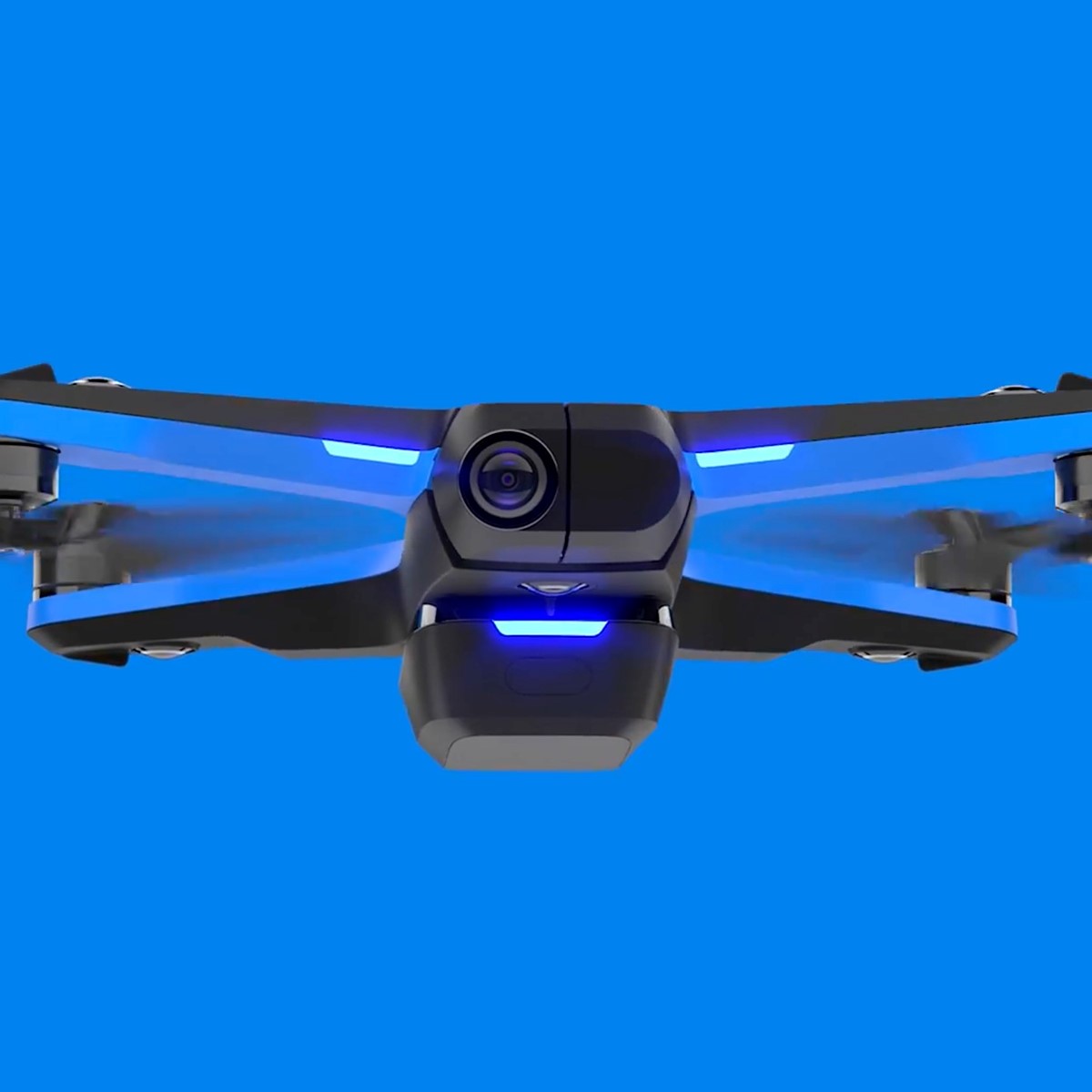
Well, it happened. Artificial intelligence has officially surpassed humans in racing! The A2RL x DCL autonomous drone championship in Abu Dhabi became a real battlefield between technology and human skill.
14 teams from around the world participated in the competition. Human racers were challenged by drones controlled by artificial intelligence. And the machine won! The drone, developed by the Micro Air Vehicles laboratory of Delft University of Technology in the Netherlands, outperformed 3 of the best human pilots at once.
The track was not an easy one. 170 meters with 22 obstacles. Imagine: the aircraft must react lightning fast to all turns and obstacles. Constantly adjusting the flight trajectory. While it only has a frontal camera and motion sensors.
The numbers are impressive. The drone accelerated to a speed of 95.8 kilometers per hour! And it completed the entire track in just 17 seconds, without receiving a single hint from a human. Artificial intelligence made all decisions independently in real time.
Of course, this is not the first attempt to compare the capabilities of drones with humans. 2 years ago, a drone from the University of Zurich already outpaced humans, but then the competitions were held in laboratory conditions. Now we are talking about an official championship with unpredictable factors of the real world.
Such a victory of artificial intelligence shows how far autonomous control technologies have advanced. Think about how complex a task the computer algorithm solves. It must instantly process the video stream, calculate the optimal trajectory, and react to obstacles at a speed close to 100 kilometers per hour!
It seems that the boundary between human and machine capabilities continues to blur. Especially in tasks requiring lightning-fast reaction and complex calculations in three-dimensional space.