AI music triggers stronger emotions than human music
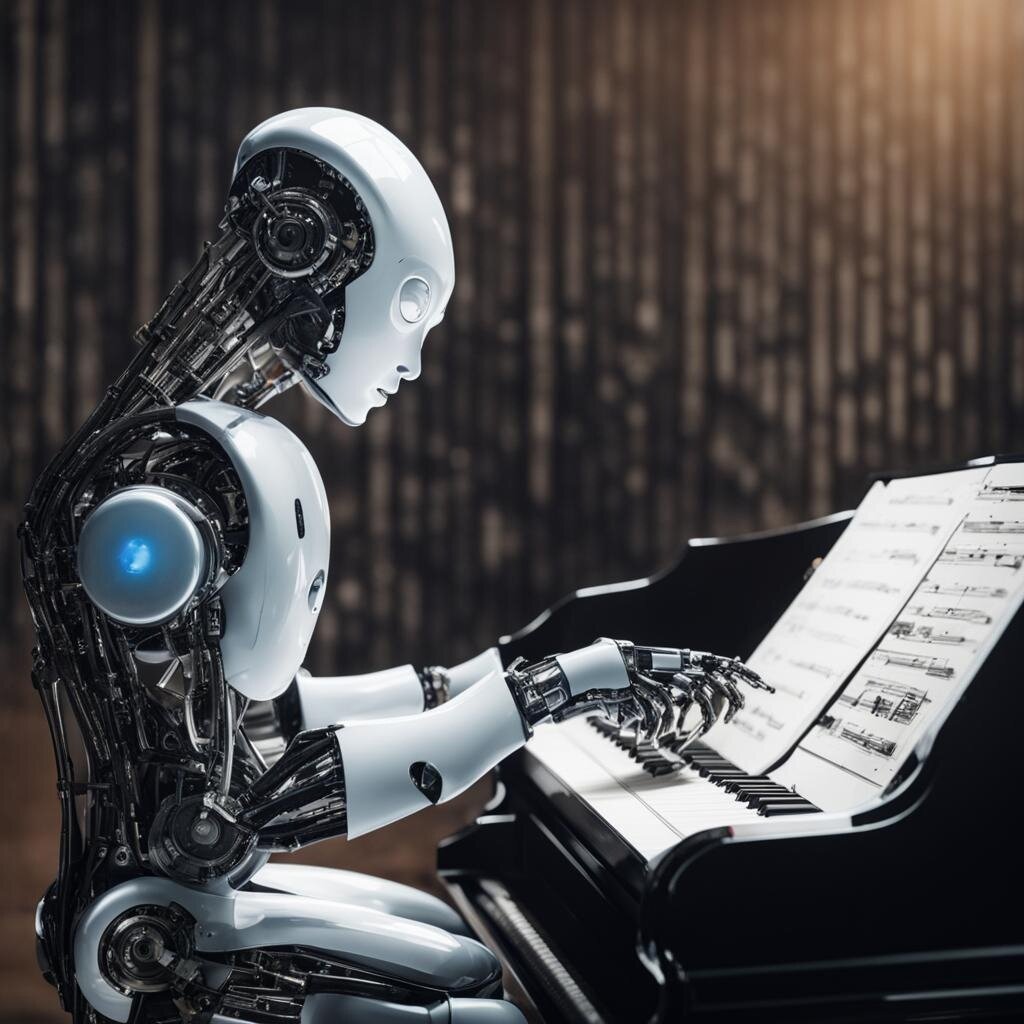
Have you ever wondered why one melody gives you goosebumps while another leaves you indifferent? Scientists discovered something interesting. Music created by artificial intelligence triggers more intense emotional reactions in people than compositions written by humans.
88 volunteers participated in the experiment. All watched identical videos but with different musical accompaniment. One group listened to music written by humans. The second – generated by a neural network from a simple request. And the third – also created by artificial intelligence, but from a more detailed description.
The results were as follows. Music by living composers seemed familiar to participants, while AI creations appeared captivating.
These subjective sensations were confirmed by objective observations. Listeners of neural network music showed noticeably dilated pupils and increased blinking frequency. The reaction was particularly pronounced to music created from detailed requests. These participants even showed increased skin resistance, indicating heightened cognitive load.
Scientists suggest that perceiving AI music requires more resources from our brain. Interestingly, despite more vivid emotions, participants didn’t rate neural network compositions as more pleasant or, conversely, less pleasant.
AIvengo >
Reviews >
AI music triggers stronger emotions than human music
Почитать из последнего

UBTech will send Walker S2 robots to serve on China's border for $37 million
Chinese company UBTech won a contract for $37 million. And will send humanoid robots Walker S2 to serve on China's border with Vietnam. South China Morning Post reports that the robots will interact with tourists and staff, perform logistics operations, inspect cargo and patrol the area. And characteristically — they can independently change their battery.

AI chatbots generate content that exacerbates eating disorders
A joint study by Stanford University and the Center for Democracy and Technology showed a disturbing picture. Chatbots with artificial intelligence pose a serious risk to people with eating disorders. Scientists warn that neural networks hand out harmful advice about diets. They suggest ways to hide the disorder and generate "inspiring weight loss content" that worsens the problem.
OpenAGI released the Lux model that overtakes Google and OpenAI
Startup OpenAGI released the Lux model for computer control and claims this is a breakthrough. According to benchmarks, the model overtakes analogues from Google, OpenAI and Anthropic by a whole generation. Moreover, it works faster. About 1 second per step instead of 3 seconds for competitors. And 10 times cheaper in cost per processing 1 token.