AI protects rhino calves from hyenas in Kenyan reserve
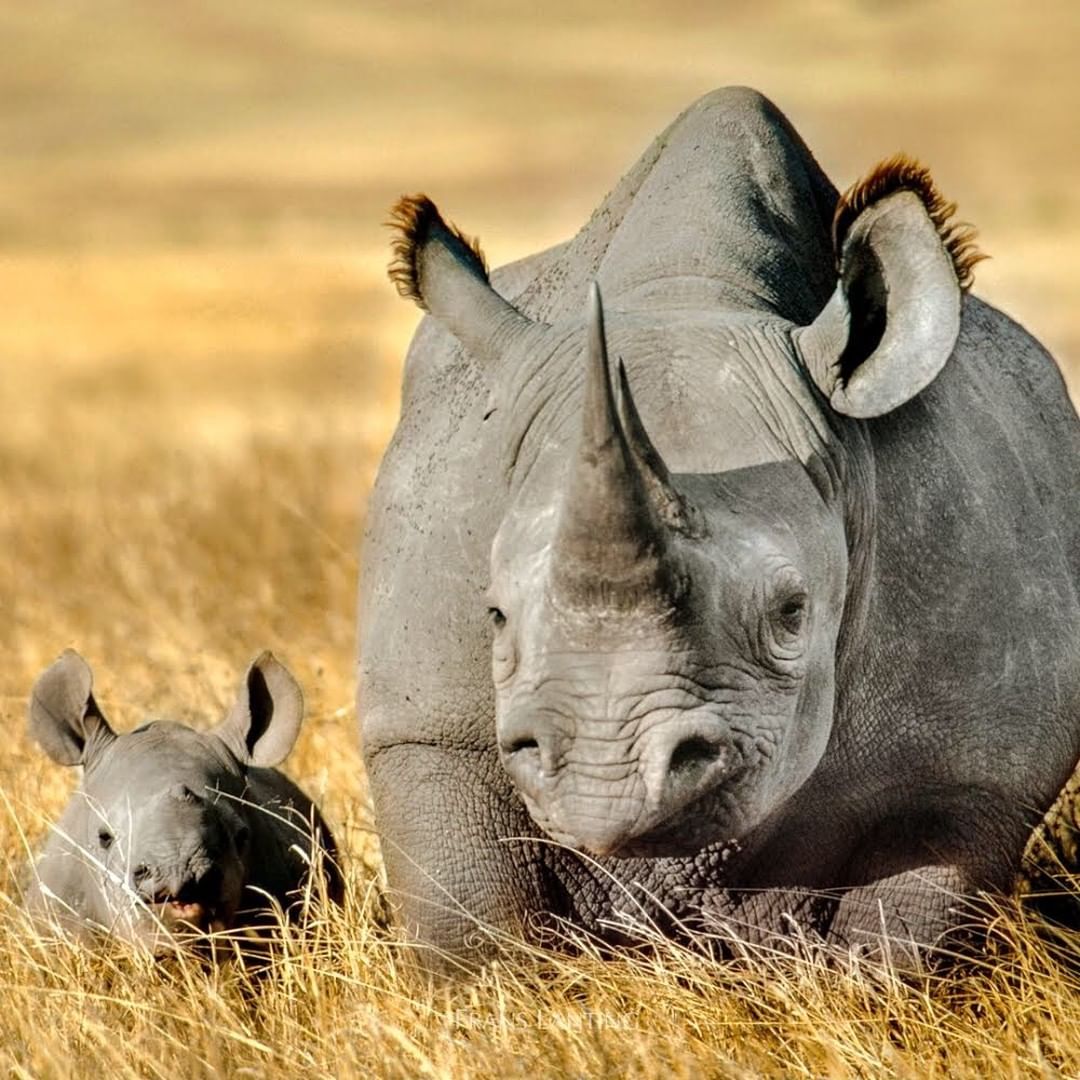
An artificial intelligence system has been launched in Kenya’s Aberdare National Park to protect black rhino calves from hyenas.
Black rhinos were almost completely exterminated by poachers in the 1980s. Now the reserve plans to repopulate the territory with these rare animals. It’s especially important to ensure the safety of the young, as they remain vulnerable to hyena attacks until age 2.
Austrian company IT-Revolutions created an automatic protection system. Cameras with artificial intelligence are installed along migration trails. Which distinguish animals by appearance and sounds they make. When the system detects a hyena, it activates a siren and directed ultrasound. Humans and most animals can’t hear it, but for hyenas it’s extremely unpleasant.
The system operates 24/7 and constantly improves. Increasing recognition accuracy with each new case. Specialists monitor the technology 24 hours a day, 7 days a week. For additional protection, a 19 km electric fence was built around the territory.
The initial results look promising. But scientists warn about possible side effects. Ultrasound may affect not only hyenas, and interference with predator behavior could disrupt the entire food chain.
AIvengo >
Reviews >
AI protects rhino calves from hyenas in Kenyan reserve
Почитать из последнего

UBTech will send Walker S2 robots to serve on China's border for $37 million
Chinese company UBTech won a contract for $37 million. And will send humanoid robots Walker S2 to serve on China's border with Vietnam. South China Morning Post reports that the robots will interact with tourists and staff, perform logistics operations, inspect cargo and patrol the area. And characteristically — they can independently change their battery.
AI chatbots generate content that exacerbates eating disorders
A joint study by Stanford University and the Center for Democracy and Technology showed a disturbing picture. Chatbots with artificial intelligence pose a serious risk to people with eating disorders. Scientists warn that neural networks hand out harmful advice about diets. They suggest ways to hide the disorder and generate "inspiring weight loss content" that worsens the problem.
OpenAGI released the Lux model that overtakes Google and OpenAI
Startup OpenAGI released the Lux model for computer control and claims this is a breakthrough. According to benchmarks, the model overtakes analogues from Google, OpenAI and Anthropic by a whole generation. Moreover, it works faster. About 1 second per step instead of 3 seconds for competitors. And 10 times cheaper in cost per processing 1 token.