Altman and Son presented the future of self-reproducing robots
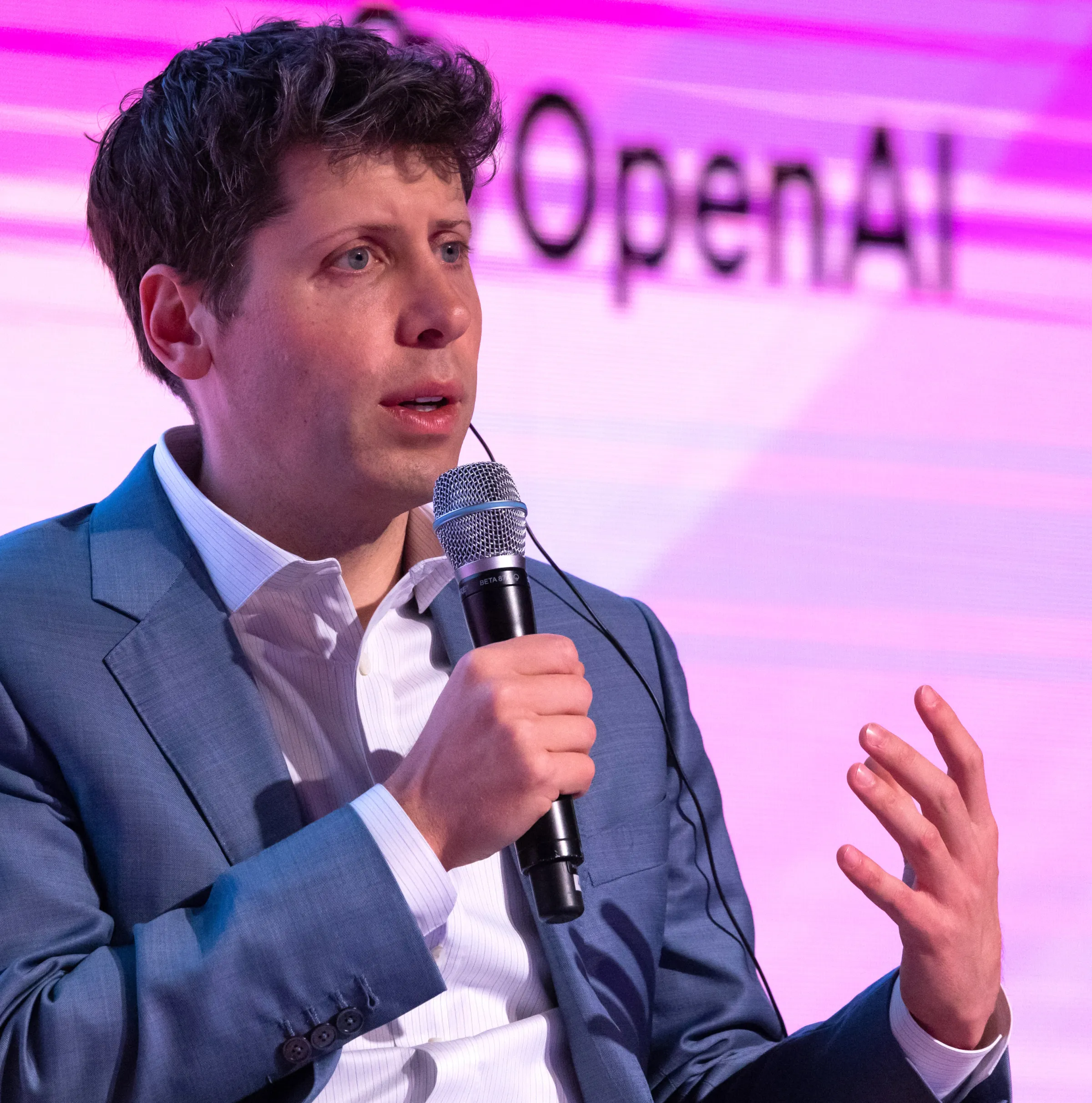
At the SoftBank World event, technology industry leaders Sam Altman and Masayoshi Son presented a vision of a world where robots create robots. And artificial intelligence begets new artificial intelligence.
Interestingly, the heads of OpenAI and SoftBank seemed to have switched roles in this discussion. Altman, traditionally associated with software solutions, enthusiastically talked about self-reproducing robots. And Son shared plans to implement 1 billion AI agents into his company’s infrastructure this year!
Impressive is the scale of the joint venture of these tech giants, where they divided shares equally. Their Cristal project will advance AI-based solutions in Japan’s corporate sector. From automakers to large retail chains. SoftBank is ready to invest up to $3 billion annually in this initiative.
Altman elegantly dispelled investor concerns about declining profitability of AI technologies. According to him, a 10-fold cost reduction will lead to a 30-fold growth in usage! “Demand for artificial intelligence in the world is very high,” emphasized the OpenAI head.
AIvengo >
Reviews >
Altman and Son presented the future of self-reproducing robots
Почитать из последнего
UBTech will send Walker S2 robots to serve on China's border for $37 million
Chinese company UBTech won a contract for $37 million. And will send humanoid robots Walker S2 to serve on China's border with Vietnam. South China Morning Post reports that the robots will interact with tourists and staff, perform logistics operations, inspect cargo and patrol the area. And characteristically — they can independently change their battery.
AI chatbots generate content that exacerbates eating disorders
A joint study by Stanford University and the Center for Democracy and Technology showed a disturbing picture. Chatbots with artificial intelligence pose a serious risk to people with eating disorders. Scientists warn that neural networks hand out harmful advice about diets. They suggest ways to hide the disorder and generate "inspiring weight loss content" that worsens the problem.
OpenAGI released the Lux model that overtakes Google and OpenAI
Startup OpenAGI released the Lux model for computer control and claims this is a breakthrough. According to benchmarks, the model overtakes analogues from Google, OpenAI and Anthropic by a whole generation. Moreover, it works faster. About 1 second per step instead of 3 seconds for competitors. And 10 times cheaper in cost per processing 1 token.