Altman’s insomnia: the burden of responsibility for hundreds of millions of users
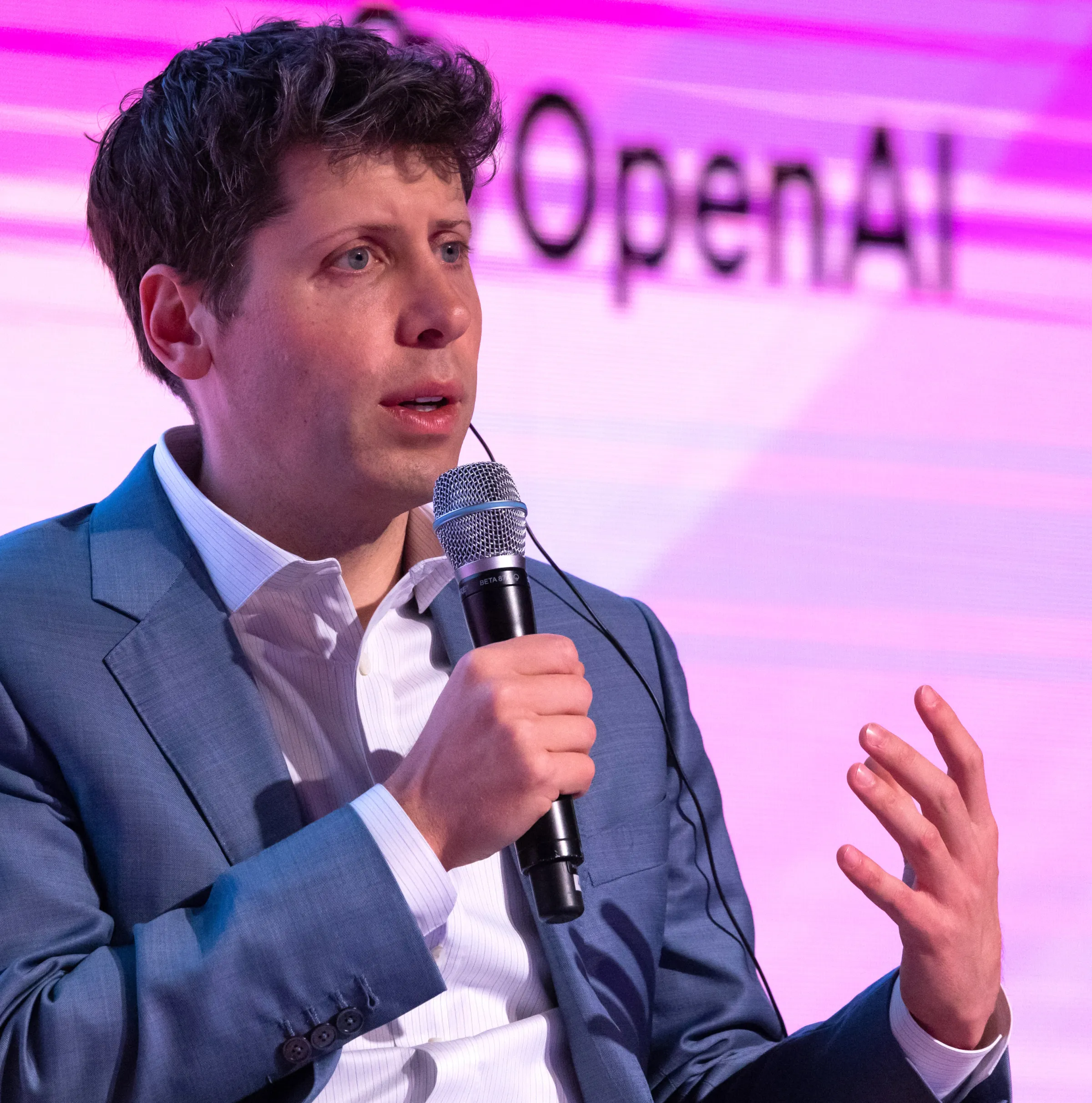
In an interview with Tucker Carlson, OpenAI CEO Sam Altman shared unprecedented revelations about moral dilemmas. Which he faces as head of one of the most influential technology projects of our time. “I haven’t slept peacefully at night since ChatGPT’s launch in 2022,” Altman confessed in conversation with Tucker Carlson.
This phrase reflects the great burden of responsibility felt by the technology visionary, whose decisions daily affect hundreds of millions of AI users worldwide.
Interestingly, what worries Altman most are not global ethical dilemmas. But “very small decisions” regarding model behavior that could ultimately have large-scale consequences.
These decisions concern fine-tuning ChatGPT’s ethical parameters. Which questions the chatbot should ignore and which to answer, and how exactly. Such nuances, he says, shape AI’s moral compass. Determining its influence on users and society as a whole.
AIvengo >
Reviews >
Altman’s insomnia: the burden of responsibility for hundreds of millions of users
Почитать из последнего

UBTech will send Walker S2 robots to serve on China's border for $37 million
Chinese company UBTech won a contract for $37 million. And will send humanoid robots Walker S2 to serve on China's border with Vietnam. South China Morning Post reports that the robots will interact with tourists and staff, perform logistics operations, inspect cargo and patrol the area. And characteristically — they can independently change their battery.

AI chatbots generate content that exacerbates eating disorders
A joint study by Stanford University and the Center for Democracy and Technology showed a disturbing picture. Chatbots with artificial intelligence pose a serious risk to people with eating disorders. Scientists warn that neural networks hand out harmful advice about diets. They suggest ways to hide the disorder and generate "inspiring weight loss content" that worsens the problem.

OpenAGI released the Lux model that overtakes Google and OpenAI
Startup OpenAGI released the Lux model for computer control and claims this is a breakthrough. According to benchmarks, the model overtakes analogues from Google, OpenAI and Anthropic by a whole generation. Moreover, it works faster. About 1 second per step instead of 3 seconds for competitors. And 10 times cheaper in cost per processing 1 token.