Book about reality manipulation written with help of ChatGPT and Claude
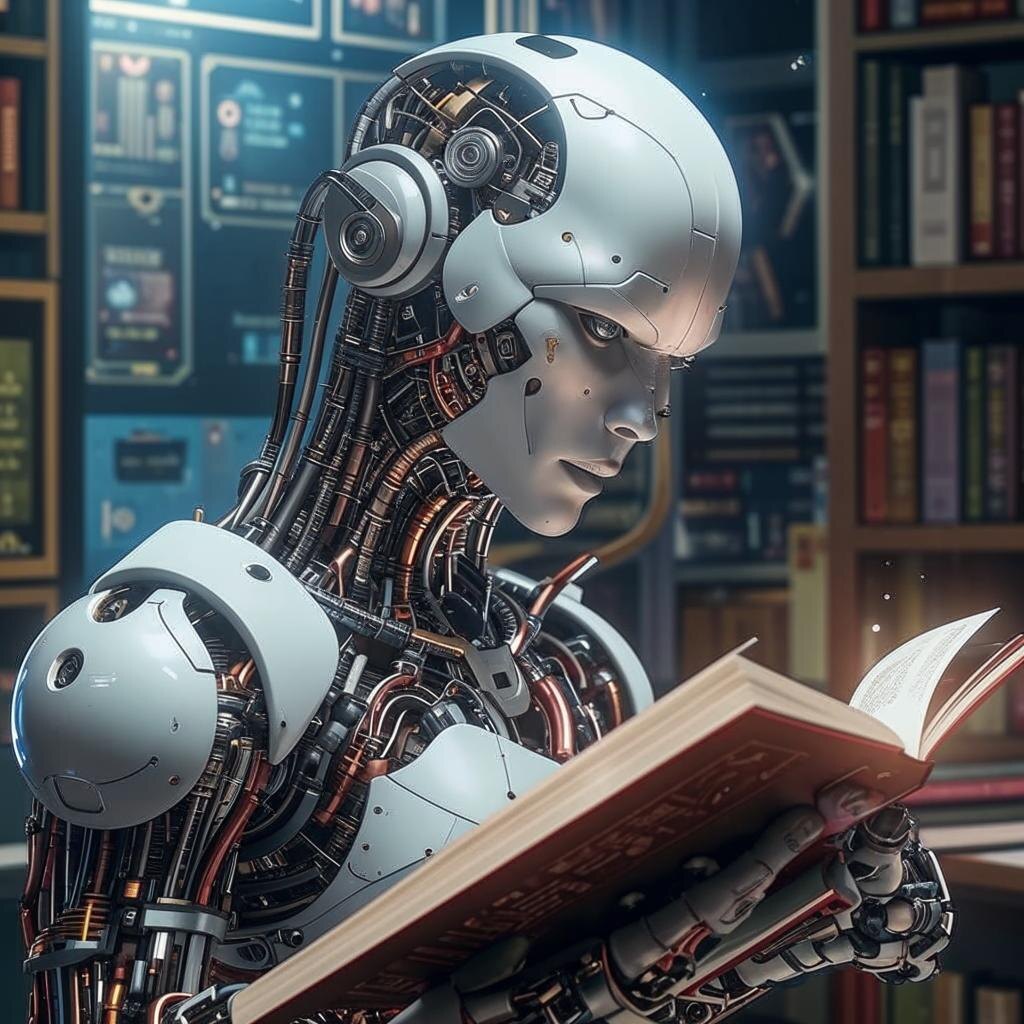
An interesting book titled “Hypnocracy: Trump, Musk and the New Architecture of Reality” turned out to have a twist. In the book, the author introduces the concept of “hypnocracy”. This is a system where truth is not forbidden, but it is simply impossible to find in the huge flow of information. Its author is listed as Chinese philosopher Jianwei Xun and he quite harshly criticizes Donald Trump and Elon Musk. For creating “parallel realities” with the help of digital technologies.
What’s most interesting is that it turned out there is no Jianwei Xun at all! Journalists discovered that his image and the book itself were created by Italian philosopher Andrea Colamedici. In the original edition, he was listed simply as a translator. Colamedici explained that he chose the image of a Chinese philosopher living in Berlin as a symbol of the connection between Eastern and Western thinking. It is also a metaphor for different realities created by artificial intelligence. A level of meta-irony that would make Orwell roll over in his grave, and then send the manuscript to a publisher.
And to write the book, Colamedici used ChatGPT and Claude chatbots. But he applied them in a non-standard way – using the method of “antagonistic interaction”. What does this mean? He asked artificial intelligence to come up with ideas, and then the same artificial intelligence had to criticize these ideas from different points of view. This is how Colamedici got a multifaceted view of the problem. The philosopher uses the same approach when teaching students at the European Institute of Design. He teaches them not to perceive artificial intelligence as a magic wand that gives ready-made answers. But to use it as a tool for developing their own thinking.
“Artificial intelligence is a tool that we must learn to use. Because, if we use it incorrectly, treat it like an oracle, asking it to give answers to questions about the meaning of our own lives, then we will lose the ability to think,” says Colamedici himself.
It turns out to be a funny thing – a book about information manipulation turned out to be such a manipulative experiment itself. As if someone were fighting fake news by creating even more sophisticated fake news and calling it an “educational experiment.”