Boston Dynamics released Orbit 5.0 — AI reduced inspections by 70%
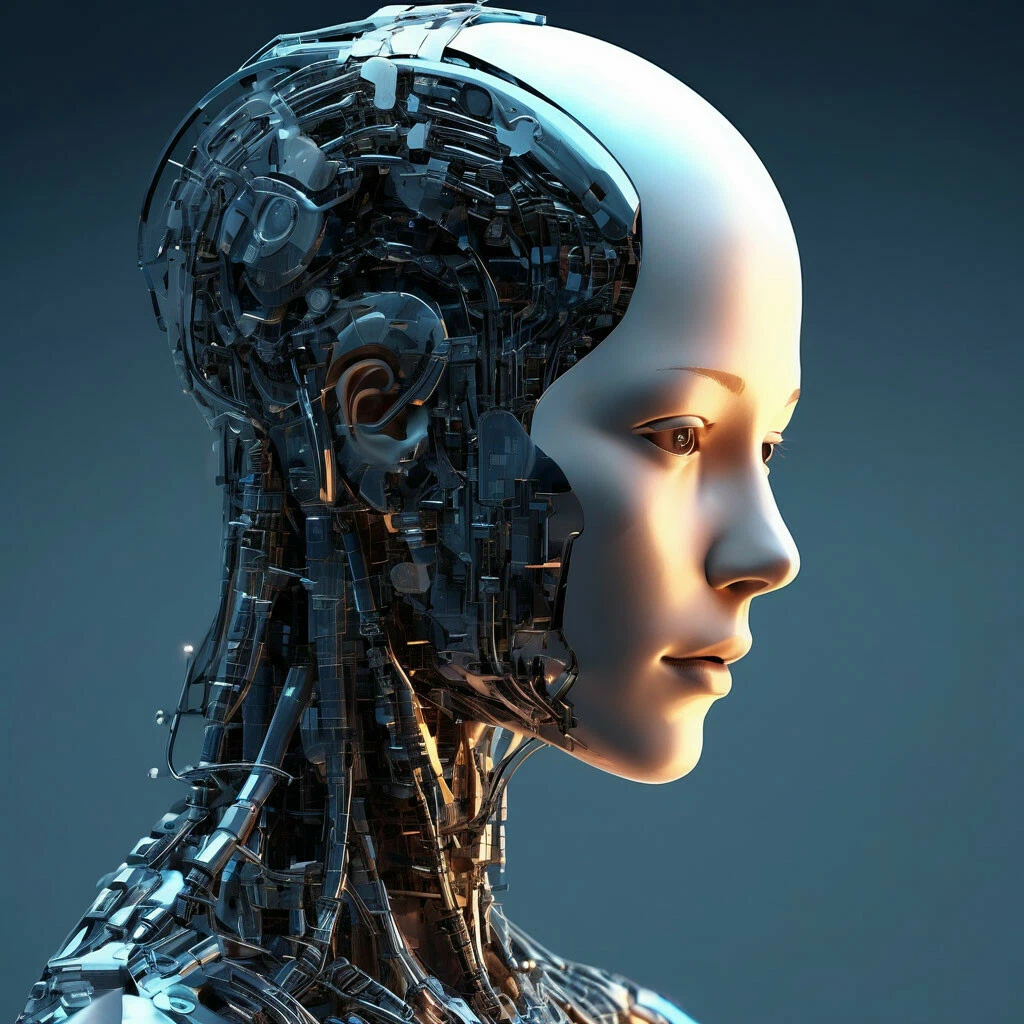
A cool update Orbit 5.0 for the Spot robot control platform from Boston Dynamics has been released. Which fundamentally changes the approach to industrial analytics and monitoring! The system now allows centralized control of entire robot fleets across multiple facilities, providing operators with detailed real-time analytics.
Spot autonomously patrols facilities while Orbit 5.0 artificial intelligence identifies anomalies. Spills, corrosion, missing fire extinguishers or equipment overheating. Algorithms convert images into structured data — percentages, digital indicators, text reports. Reducing the need for manual inspections by 70%.
The new Site View function creates visualizations based on Boston Dynamics robotics, giving historical context for comparing changes, such as mechanism wear. And allowing virtual inspections without on-site visits. Unlike complex digital twins, the solution can be deployed in hours! And Orbit 5.0 aggregates data on robot activity, fleet health and facility efficiency.
The industrial effect from implementation at clients like BMW already showed a 25% reduction in downtime through predictive maintenance. A partnership with Hyundai was announced — the company plans to purchase tens of thousands of robots for its factories.
AIvengo >
Reviews >
Boston Dynamics released Orbit 5.0 — AI reduced inspections by 70%
Почитать из последнего
UBTech will send Walker S2 robots to serve on China's border for $37 million
Chinese company UBTech won a contract for $37 million. And will send humanoid robots Walker S2 to serve on China's border with Vietnam. South China Morning Post reports that the robots will interact with tourists and staff, perform logistics operations, inspect cargo and patrol the area. And characteristically — they can independently change their battery.

AI chatbots generate content that exacerbates eating disorders
A joint study by Stanford University and the Center for Democracy and Technology showed a disturbing picture. Chatbots with artificial intelligence pose a serious risk to people with eating disorders. Scientists warn that neural networks hand out harmful advice about diets. They suggest ways to hide the disorder and generate "inspiring weight loss content" that worsens the problem.

OpenAGI released the Lux model that overtakes Google and OpenAI
Startup OpenAGI released the Lux model for computer control and claims this is a breakthrough. According to benchmarks, the model overtakes analogues from Google, OpenAI and Anthropic by a whole generation. Moreover, it works faster. About 1 second per step instead of 3 seconds for competitors. And 10 times cheaper in cost per processing 1 token.