Cartwheel Robotics creates robots with “childlike” features to reduce technophobia
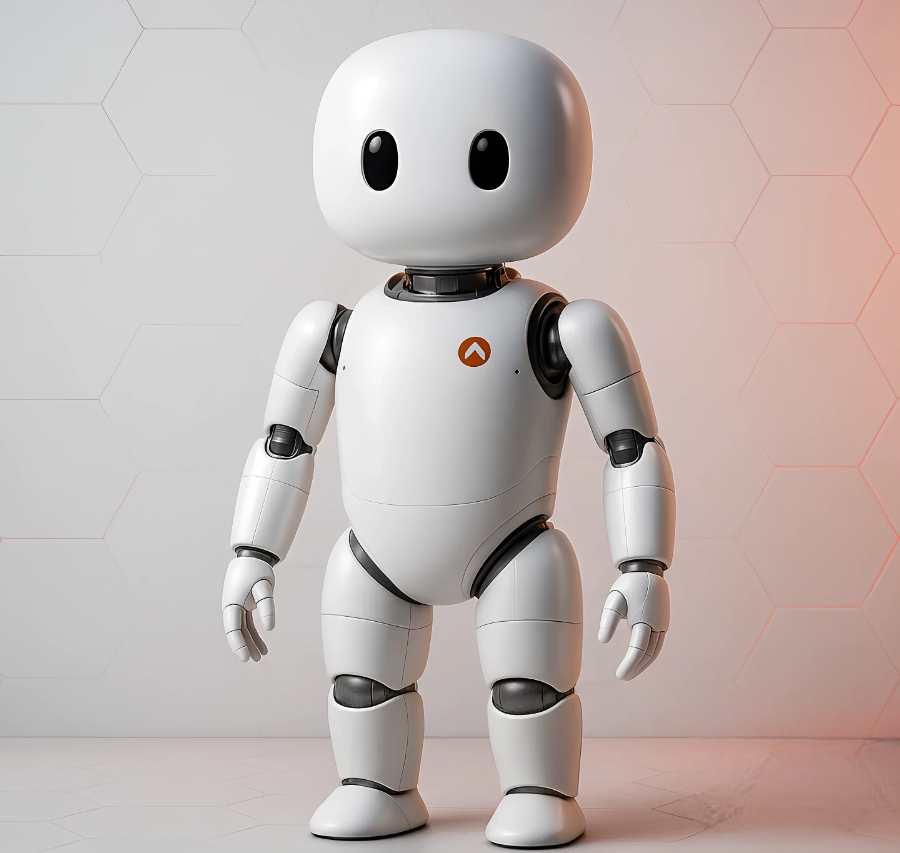
Cartwheel Robotics has presented a new concept of social robots. Oriented towards interaction with people through childlike aesthetics and behavioral patterns. The development of humanoid systems with so-called “childlike” proportions they explain as a paradigm shift in social robotics. From industrial and utilitarian devices to emotionally accessible companions.
At the current stage, the company is developing 2 key robots: Yogi and Speedy. The first is characterized by proportions reminiscent of a small child. Enlarged head, rounded shapes, and even some “chubbiness,” making the robot not a technological device. But rather a character that evokes an emotional response. Speedy represents a more pragmatic, modular platform with the possibility of customization for specific usage scenarios.
And the company wants to create practical and universal small-sized social humanoids. Capable of organically integrating into people’s everyday lives. The first commercial initiative will be the release of a limited batch of 20 Speedy model robots for museum spaces and scientific-educational centers. This strategy will allow testing the technology in controlled public spaces before scaling to the consumer segment.
Behind the project stands significant technological experience – Cartwheel Robotics has been developing for 3 years under the leadership of Aaron LaValley, an engineer with experience at Boston Dynamics and Disney. This combination of competencies from “hard” robotics and the entertainment industry creates a unique perspective for the development of social robots.
I think the company is counting on “childlike” features to evoke instinctive trust in people. And reduce technophobia, characteristic of interaction with traditional robotic systems.