Chinese scientists have created a robot with human neurons instead of a processor

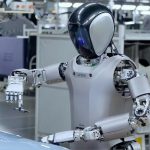
Chinese scientists have done what was recently considered science fiction. Created a robot controlled by real human neurons. This technology called MetaBOC is an open system connecting brain-based biocomputers with electronic devices. The essence of the development is that human neurons grown on silicon chips can receive, interpret and respond to electrical signals. In fact, what we have is a biological processor running on human brain cells.
This technology develops the ideas of the DishBrain project from Monash University, where 800,000 brain cells on a chip were able to learn to play ping-pong in just a few minutes. Cortical Labs, which grew out of this project, is developing computing modules using human neurons and plans to bring this technology to market in the coming years. Get ready for the world’s first computer that can literally get tired of your endless searches for memes on the internet.
According to Cortical Labs chief scientist Brett Kagan, biocomputers with neurons demonstrate faster learning and high energy efficiency. Compared to modern artificial intelligence chips. The Chinese MetaBOC project, developed by Tianjin University and the Southern University of Science and Technology, uses 3D brain organoids. These structures are stimulated by low-intensity ultrasound, which allows for creating complex neural connections.
However, such biocomputers require special care. They need nutrients and protection from pathogens. These “living” components cannot simply be turned off like a regular computer. And now imagine technology that really has the right to be offended. When you press the power button in the middle of an important process. Personally, I find it creepy.
The development raises serious ethical questions. Although researchers consider it unlikely that such systems can gain consciousness, the very possibility of this requires discussion. As Brett Kagan noted, such technologies at the intersection of biology and robotics could become the basis for a new generation of smart machines capable of learning more efficiently than artificial intelligence with less energy consumption.