Furhat created social robots capable of changing appearance and voice
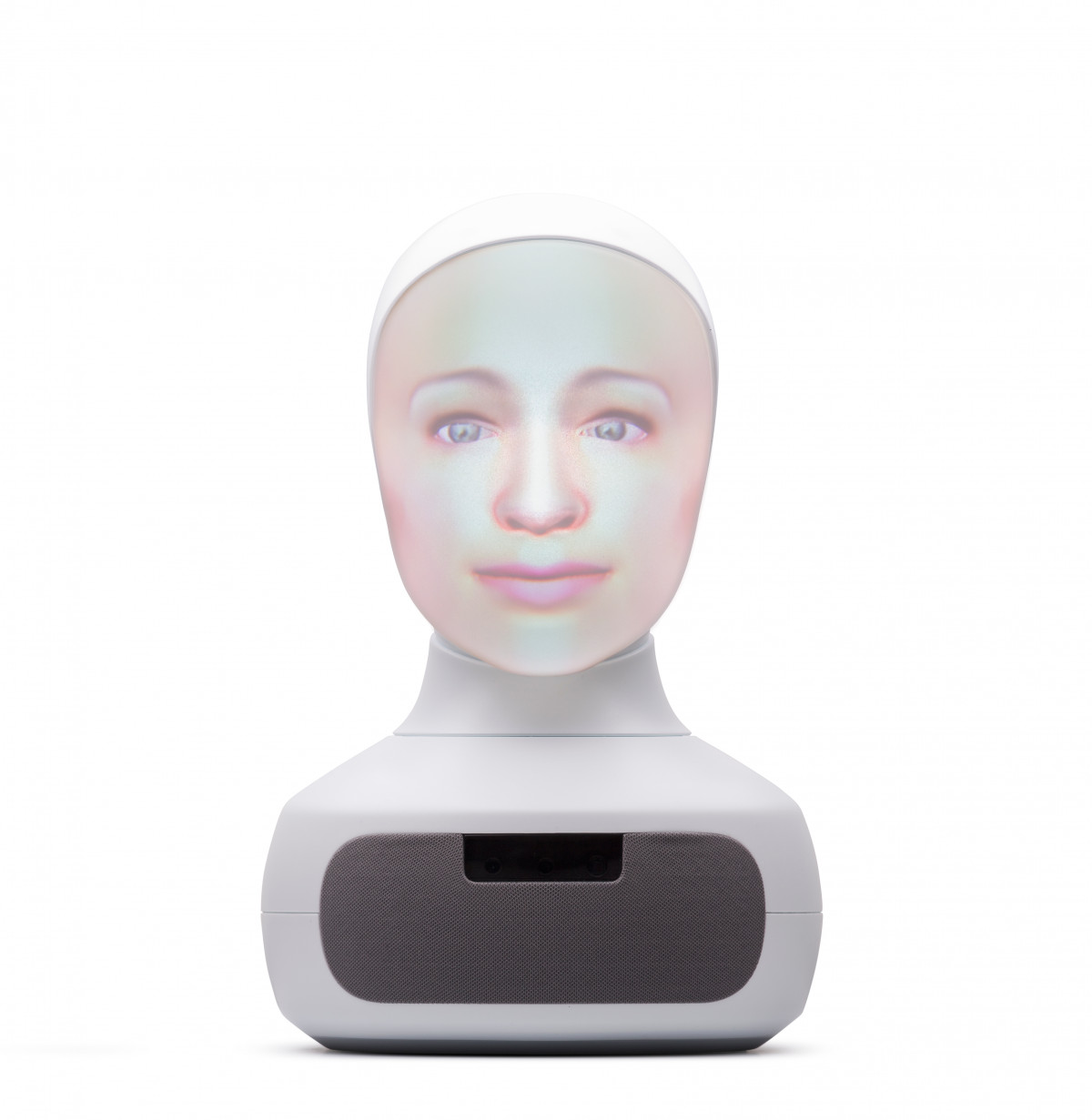
Furhat Robotics has created humanoid robots designed specifically for social interaction. The main feature of these robots is their face. The developers used back-projection technology, where a 3D image of the face is projected onto a replaceable polymer mask. This allows the robot to demonstrate lively facial expressions and precisely synchronize lip movements with speech. You can easily change the robot’s appearance by installing a different mask – from an adult to a child or even an anime character. Technically, Furhat is equipped with a powerful speech recognition system from Microsoft and Google, supporting more than 40 languages. Over 200 voice options with different accents are available for the robot’s voice. There is also integration with ElevenLabs, allowing users to clone real people’s voices and use them in the robot.
The computer vision system gives the robot the ability to simultaneously track up to 10 people, remember them during conversation, and analyze facial expressions. This creates an effect of real social presence. The robot maintains eye contact, turns its head toward the speaker, and reacts to changes in the environment.
Unlike voice assistants or chatbots, Furhat can communicate with people the way we are used to. Face to face. Research shows that this format of interaction is more natural, expressive, and faster for humans. The company emphasizes that humanoid robots are not competitors to humans, but an alternative to other forms of technology. They see enormous potential in applying their robots to solve labor shortage problems, improve education, provide companionship, and support mental health. In their opinion, such robots are capable of changing any industry where people and technology intersect.
Currently, Furhat Robotics is collaborating with 1000 scientists, organizations, and communities to develop and test various applications of their robots. And they are betting on transparency and collaboration to gradually introduce robots first into the commercial sphere, and then into people’s homes.
Perhaps Furhat technology will help overcome the effect of the so-called “uncanny valley” in robotics. And will solve the problem of the unnaturalness of human-machine interaction through a combination of physical embodiment and social intelligence. They have 3 key elements. First is a physical face with realistic facial expressions. Second is multimodal perception – vision and hearing with understanding of social context. And third is a low entry threshold for application development through no-code tools. Which together creates a more holistic human-machine interaction experience.