In China, they created a hospital without doctors with 18 virtual medics and robots
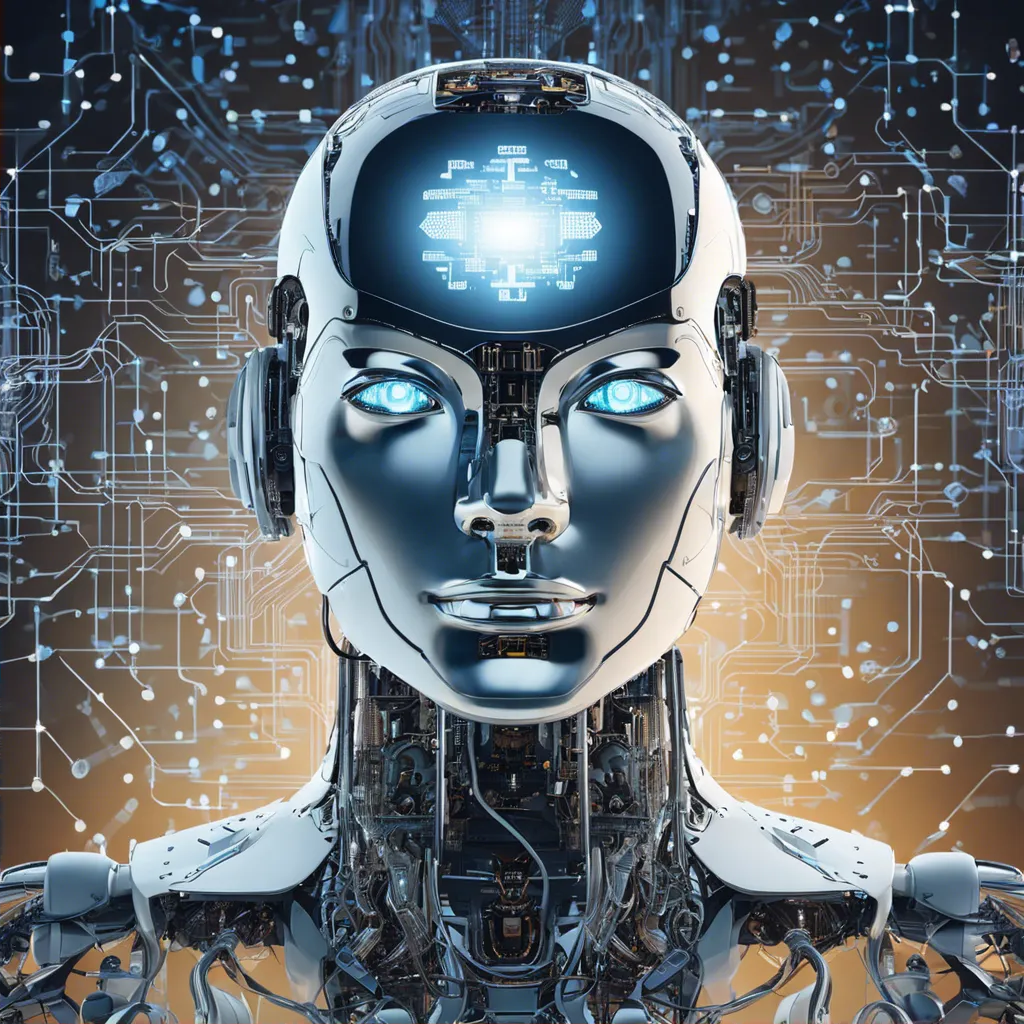
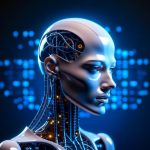
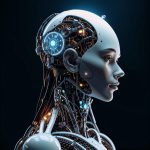
Imagine a hospital where robots draw blood more accurately than humans. And artificial intelligence diagnoses with accuracy of more than 93%. This is not future fiction, but already a reality in China. Researchers from Tsinghua University have created an unusual hospital called “Agent Hospital”. Its peculiarity is that instead of regular medical staff, a whole team of robots and 18 artificial intelligences works here. In total, there are 14 virtual doctors and 4 virtual nurses working there. This is probably the first hospital in the world where doctors actually follow all protocols. And never come to work with a hangover after a corporate party. No offense, doctors, we respect you. Just a fact. We are all human. And they are not.
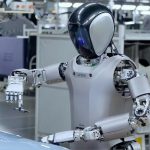
Robots in this hospital don’t just move through corridors. They perform a whole range of different tasks: disinfect premises, deliver medications to patients, and even conduct complex medical procedures. For example, a phlebotomist robot draws blood from a vein with accuracy exceeding human capabilities. And a team of artificial intelligences together with robots can serve 10,000 patients in just a few days. For a regular hospital, this would require significantly more time and personnel.
The accuracy of medical decisions is also at a high level. The artificial intelligence model used in Agent Hospital showed an accuracy of 93.06% when working with the MedQA dataset. The system fully simulates the entire treatment process — from initial diagnosis to subsequent patient monitoring.
However, with all the advantages, unresolved issues remain. Artificial intelligence must comply with national medical standards, which requires constant adaptation of algorithms. I think artificial intelligence will be forced to go through the same bureaucratic circles of hell as regular doctors with their numerous certifications.
It is also important to establish the right interaction between artificial intelligence and human doctors. So that technology complements medical experience, rather than completely replacing it.