Moxi robots completed 300,000 deliveries in American hospitals
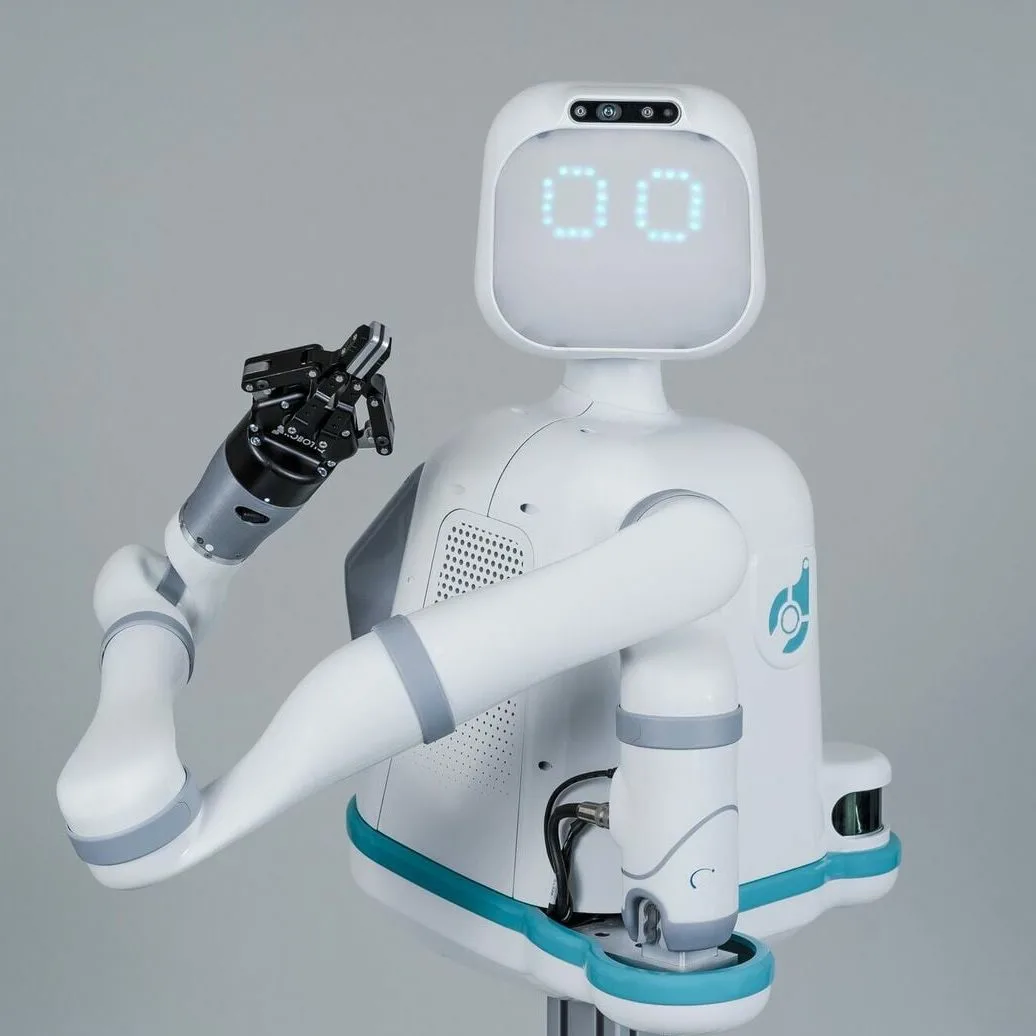
Etwa ein Drittel der Arbeitszeit verwenden die Roboter für Medikamentenlieferung, ein weiteres Drittel für den Transport von Analysenproben. Die verbleibende Zeit für Transport von Ausrüstung und Verbrauchsmaterialien. Auf Wunsch des Medizinpersonals statteten die Entwickler die Roboter mit speziellen verschließbaren Fächern für sichere Medikamententransporte aus.
Kürzlich erhielten Moxi die Fähigkeit, alle Interaktionen mit Personal und Patienten zu erfassen, was Routenoptimierung und Effizienzsteigerung ermöglicht. In den Unternehmensplänen steht die Schaffung heterogener Flotten medizinischer Roboterkuriere mit verschiedener Tragfähigkeit und zusätzlichen Funktionen.
Beeindruckend ist nicht so sehr die Anzahl der Lieferungen, sondern die Fähigkeit der Roboter, sich ohne spezielle Infrastruktur an die unvorhersagbare Krankenhausumgebung anzupassen. Dieses System erfordert keine Krankenhausumrüstung. Das bedeutet, dass die Implementierung einfacher, schneller und günstiger erfolgt. Und es besteht die Chance, diese Technologien in gewöhnlichen Krankenhäusern zu sehen.
English: Moxi robots completed 300,000 deliveries in American hospitals
Diligent Robotics company announced an impressive achievement. Their medical robot couriers Moxi completed over 300,000 autonomous deliveries of medications and analyses without staff participation in American hospitals.
In the busiest medical facilities, these smart assistants deliver over 900 packages monthly. Previously, the company reported 100,000 independent robot elevator trips.
The Moxi robot couriers don’t require special retrofitting of doorways and elevators in hospitals. The system already operates in more than 30 medical facilities across America.
About a third of working time robots spend on medication delivery, another third on transporting samples for analysis. The remaining time on equipment and supplies transportation. At medical staff request, developers equipped robots with special lockable compartments for safe medication transport.
Recently Moxi gained the ability to track all interactions with staff and patients, allowing route optimization and efficiency improvement. The company plans to create heterogeneous fleets of medical robot couriers with different carrying capacity and additional functions.
What’s impressive isn’t so much the number of deliveries, but the robots’ ability to adapt to unpredictable hospital environments without special infrastructure. This system doesn’t require hospital retrofitting. This means implementation happens easier, faster and cheaper. And there’s a chance to see these technologies in ordinary hospitals.