Romi Lacatan: pocket robot with 150 facial expressions and no turn-taking in dialogue
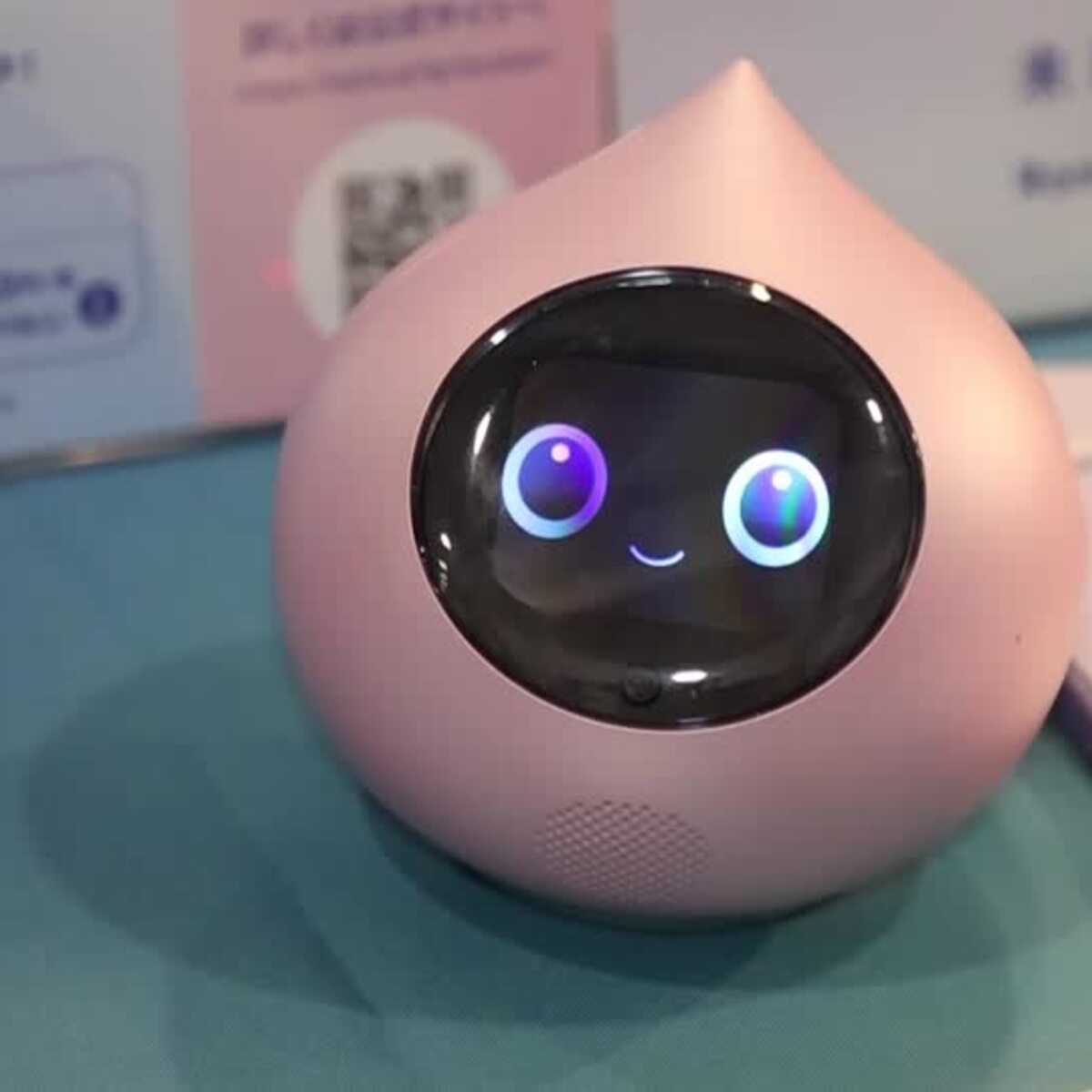
Mixi company introduced the Romi Lacatan robot. A pocket AI-based companion capable of conducting continuous dialogue without turn-taking in conversation. This miniature system fits in the palm of your hand, but has a complex architecture for simulating live communication.
The key technological difference between Romi and ordinary voice assistants is the ability to instantly react to human speech without waiting for a pause. The robot embeds its comments right during your narrative, creating the effect of natural conversation. The system works based on deep learning and analyzes both speech and visual information through a built-in camera.
The cloud system coordinates 3 levels of expressiveness:. Voice remarks, physical movements of the body, and facial expressions on the LCD screen. The robot has more than 150 facial expressions and can imitate different emotions. From joy to empathy. The new model received improved speech synthesis, where the voice sounds more human, with natural intonations and even imitation of breathing.
Functionally, Romi works as an emotional companion – greets you in the morning, meets you after work, supports conversation about everyday events. Besides communication, the device offers more than 100 practical functions, including alarms and reminders, and can perform more than 30 songs.
One of Romi’s creators, Scott Pike, claims that their technology provides genuine empathy, unlike other conversational AI systems. The robot remembers information that you share with it, creating shared “memories” and making each subsequent conversation more personalized.
In Japan, where the problem of social isolation is particularly acute, Romi is already being used in nursing homes, helping elderly people feel less lonely. The robot is also becoming an alternative to pets for those who cannot keep them due to allergies or housing restrictions.