The first LAARMA system protects animals on Australian roads
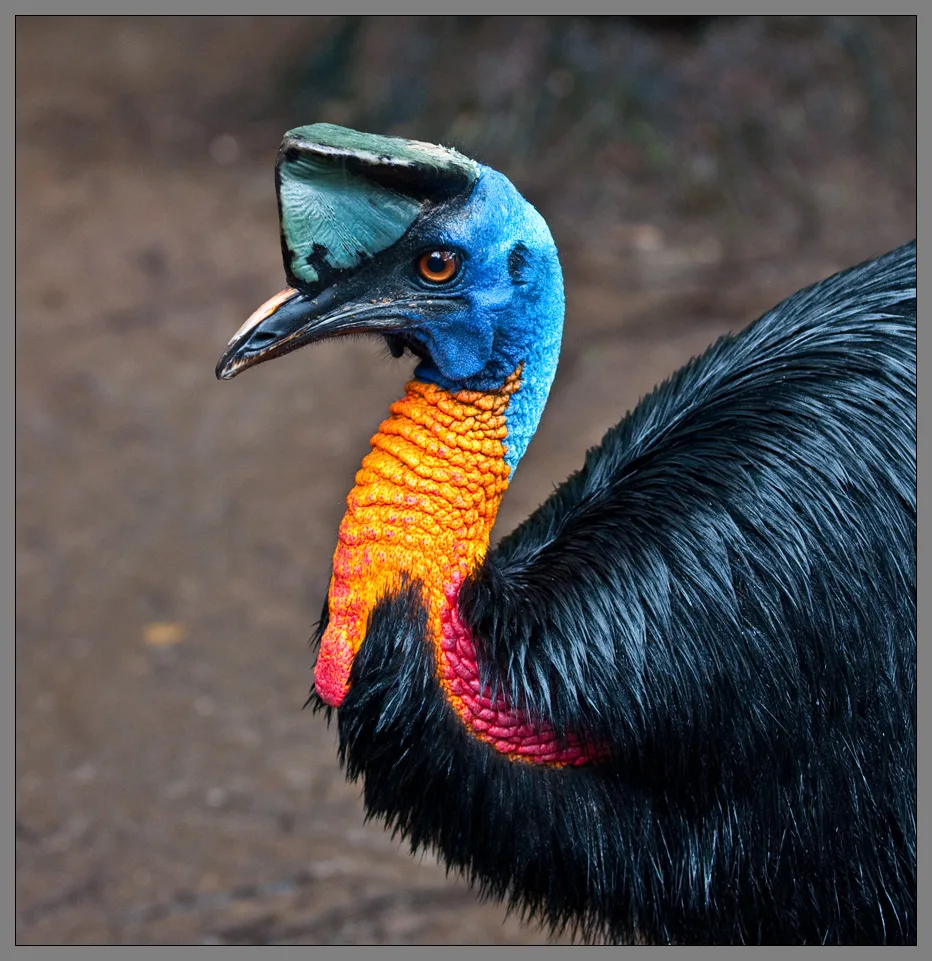
In Australia, animal-vehicle collisions are a serious problem for this continent’s ecosystem. Now scientists have found a technological solution. The world’s first roadside LAARMA system based on artificial intelligence that protects wild animals from dangerous encounters with traffic.
The technical component of the system consists of a complex of RGB cameras, thermal imagers and LiDAR sensors controlled by self-learning artificial intelligence. As soon as a large animal appears in the detection zone, digital warning signs are activated on the road, signaling drivers about the need to reduce speed.
Year-long trials showed impressive results. The system demonstrated 97% accuracy in detecting cassowaries and recorded more than 287 encounters with these rare birds. Drivers responding to flashing warnings reduced speed by an average of 6 km/h. An indicator that almost increases animals’ survival chances by a third.
AIvengo >
Reviews >
The first LAARMA system protects animals on Australian roads
Почитать из последнего
UBTech will send Walker S2 robots to serve on China's border for $37 million
Chinese company UBTech won a contract for $37 million. And will send humanoid robots Walker S2 to serve on China's border with Vietnam. South China Morning Post reports that the robots will interact with tourists and staff, perform logistics operations, inspect cargo and patrol the area. And characteristically — they can independently change their battery.

AI chatbots generate content that exacerbates eating disorders
A joint study by Stanford University and the Center for Democracy and Technology showed a disturbing picture. Chatbots with artificial intelligence pose a serious risk to people with eating disorders. Scientists warn that neural networks hand out harmful advice about diets. They suggest ways to hide the disorder and generate "inspiring weight loss content" that worsens the problem.

OpenAGI released the Lux model that overtakes Google and OpenAI
Startup OpenAGI released the Lux model for computer control and claims this is a breakthrough. According to benchmarks, the model overtakes analogues from Google, OpenAI and Anthropic by a whole generation. Moreover, it works faster. About 1 second per step instead of 3 seconds for competitors. And 10 times cheaper in cost per processing 1 token.