The invisible labor of thousands of people behind the facade of technological wonder
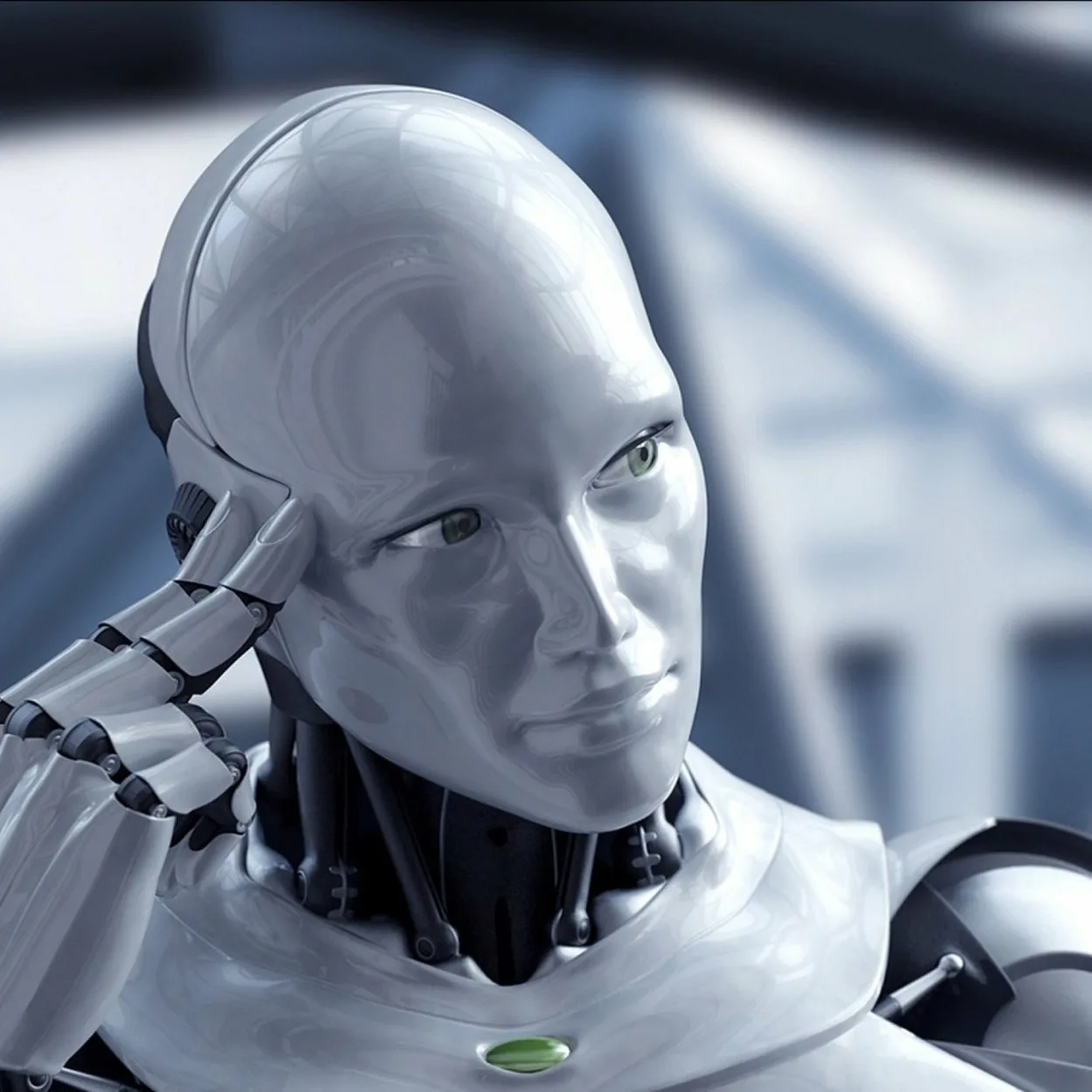
When we communicate with ChatGPT or other neural networks, it seems to us that we are facing pure technology. Algorithms and mathematics. But no. Every day 100000 people in different countries around the world label data for training neural networks. They mark objects in photos, check texts for toxicity, filter unwanted content. And evaluate the quality of artificial intelligence responses. They are called “artificial intelligence migrants,” and most of them live in low-income countries. Kenya, India, the Philippines, and Pakistan. It seems we have invented a technological wonder that works on good old human labor. Only now also with the fashionable name “artificial intelligence.”
Their working conditions often leave much to be desired. According to an investigation by Time magazine, OpenAI through contractor Sama hired Kenyan workers to filter toxic content while training ChatGPT. They were paid from 1.32 to 2 dollars per hour, and their task was to view and label the most difficult content, including scenes of violence and cruelty. Amazing generosity from a company valued at 10000000000. These Kenyan workers must feel like real participants in the technological revolution.
But large technology companies don’t particularly advertise this side of their work. It’s more profitable for them to maintain the myth of self-learning algorithms than to talk about 100000 people who do routine work for pennies.
On platforms like Amazon Mechanical Turk, people perform micro-tasks for small rewards. The pay is often below minimum wage, and working conditions are far from ideal. So next time when you are impressed by the accuracy of a neural network’s response, remember: behind this “magic” is the labor of many people whose contribution often remains unnoticed and undervalued.