University of Pennsylvania revealed mechanisms of psychological influence of robots
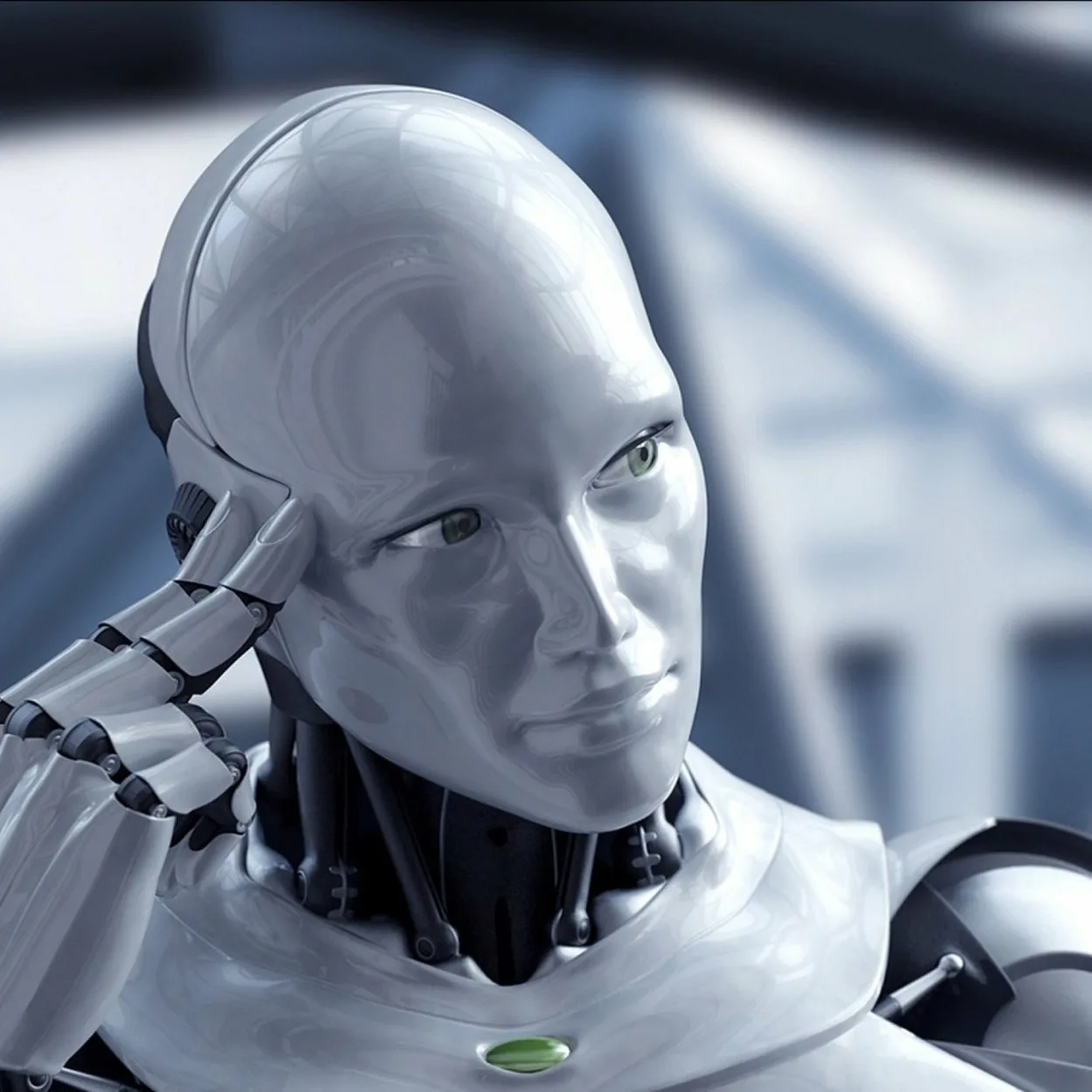
Researchers from the School of Hospitality Management of Pennsylvania State University discovered hidden mechanisms of psychological influence of robots on consumer behavior. Body color, voice timbre and face shape of robots imperceptibly influence human decision-making.
Statistical analysis revealed gender differences in perception. Women with reduced sense of control over the situation 30% more often agreed with recommendations of robots possessing masculine features – gray body or low voice. Men with analogous level of confidence demonstrated lesser susceptibility to similar influence.
People with high level of personal power showed independence from gender signals of robots, making decisions based on their own beliefs. However, adding cute features – round face, big eyes and rosy cheeks – neutralized gender differences in perception.
Practical consequences of the discovery may be important for the hospitality industry. Restaurants promoting new dishes and hotels offering upgrades can use masculine robot image to increase persuasiveness of offers in certain situations.
Alternatively, business can choose neutrally cute design to eliminate gender stereotypes. One small thing remains. The ethical dilemma of manipulative use of psychological features of perception for commercial purposes.
AIvengo >
Reviews >
University of Pennsylvania revealed mechanisms of psychological influence of robots
Почитать из последнего
UBTech will send Walker S2 robots to serve on China's border for $37 million
Chinese company UBTech won a contract for $37 million. And will send humanoid robots Walker S2 to serve on China's border with Vietnam. South China Morning Post reports that the robots will interact with tourists and staff, perform logistics operations, inspect cargo and patrol the area. And characteristically — they can independently change their battery.
AI chatbots generate content that exacerbates eating disorders
A joint study by Stanford University and the Center for Democracy and Technology showed a disturbing picture. Chatbots with artificial intelligence pose a serious risk to people with eating disorders. Scientists warn that neural networks hand out harmful advice about diets. They suggest ways to hide the disorder and generate "inspiring weight loss content" that worsens the problem.
OpenAGI released the Lux model that overtakes Google and OpenAI
Startup OpenAGI released the Lux model for computer control and claims this is a breakthrough. According to benchmarks, the model overtakes analogues from Google, OpenAI and Anthropic by a whole generation. Moreover, it works faster. About 1 second per step instead of 3 seconds for competitors. And 10 times cheaper in cost per processing 1 token.