Post Thumbnail

Father of reinforcement learning predicted end of large language models era
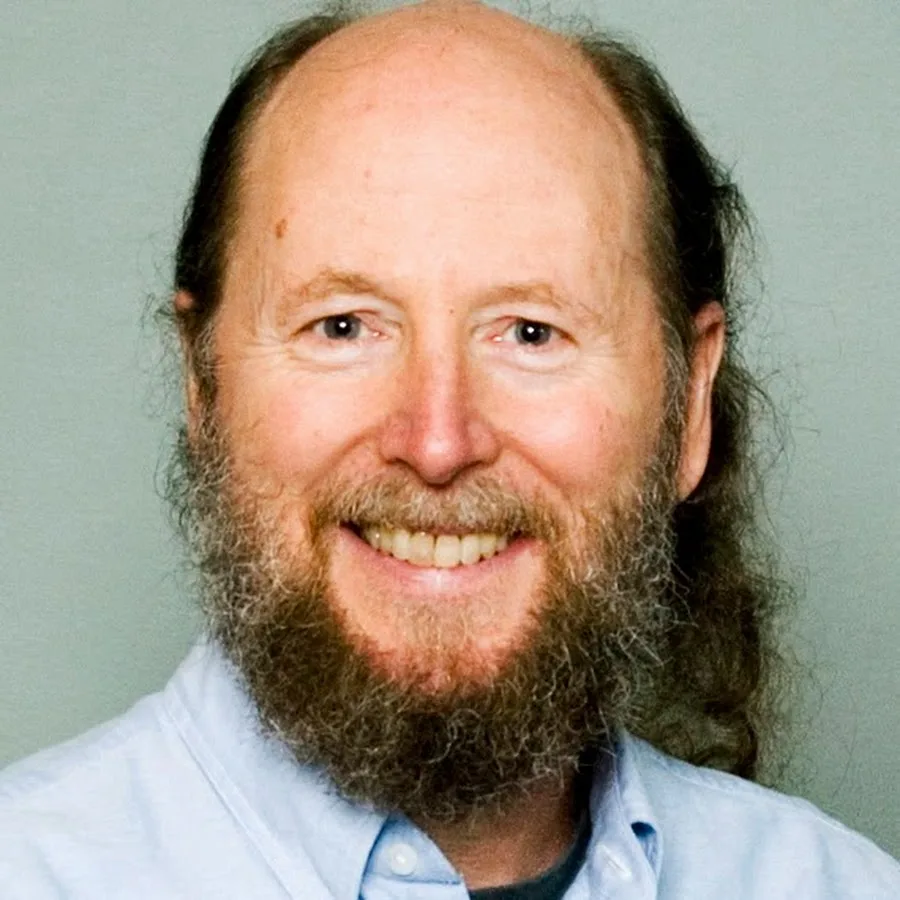
Richard Sutton – this is one of the fathers of reinforcement learning and Turing Award laureate. So he stated that the era of large language models is coming to an end. Next, in his opinion, comes the era of experience. And here’s why he thinks so.

In his opinion, large language models are a dead end. Real intelligence should learn from experience, not from data. And modern neural networks – this is only imitation of intelligence. They have no experience, don’t perform actions and don’t receive feedback from reality. Therefore they’re not capable of real cognition.

According to Sutton, humanity is creating a new form of life based on design, not biological reproduction. And we’re becoming witnesses of the transition from a world where everything is copied to a world where everything is designed.

Living beings are replicators, and AI are designers, he explains. We can create systems that will create other systems, and all this through construction, not copying. According to him, this is a new stage of the Universe’s evolution.

It turns out that Sutton looks at the current boom of large language models as a temporary phenomenon. The real breakthrough, in his opinion, will happen when AI systems begin to learn through interaction with reality, receiving feedback from their actions. Not through consuming terabytes of text, but through real experience. As living beings do.

There you have the view of one of the founders of modern machine learning on the future of technology. It turns out that large language models are not the finale, but merely an intermediate stage.

Autor: AIvengo
For 5 years I have been working with machine learning and artificial intelligence. And this field never ceases to amaze, inspire and interest me.
Latest News
UBTech will send Walker S2 robots to serve on China's border for $37 million

Chinese company UBTech won a contract for $37 million. And will send humanoid robots Walker S2 to serve on China's border with Vietnam. South China Morning Post reports that the robots will interact with tourists and staff, perform logistics operations, inspect cargo and patrol the area. And characteristically — they can independently change their battery.

Anthropic accidentally revealed an internal document about Claude's "soul"

Anthropic accidentally revealed the "soul" of artificial intelligence to a user. And this is not a metaphor. This is a quite specific internal document.

Jensen Huang ordered Nvidia employees to use AI everywhere

Jensen Huang announced total mobilization under the banner of artificial intelligence inside Nvidia. And this is no longer a recommendation. This is a requirement.

AI chatbots generate content that exacerbates eating disorders

A joint study by Stanford University and the Center for Democracy and Technology showed a disturbing picture. Chatbots with artificial intelligence pose a serious risk to people with eating disorders. Scientists warn that neural networks hand out harmful advice about diets. They suggest ways to hide the disorder and generate "inspiring weight loss content" that worsens the problem.

OpenAGI released the Lux model that overtakes Google and OpenAI

Startup OpenAGI released the Lux model for computer control and claims this is a breakthrough. According to benchmarks, the model overtakes analogues from Google, OpenAI and Anthropic by a whole generation. Moreover, it works faster. About 1 second per step instead of 3 seconds for competitors. And 10 times cheaper in cost per processing 1 token.