How artificial intelligence helps predict vision loss
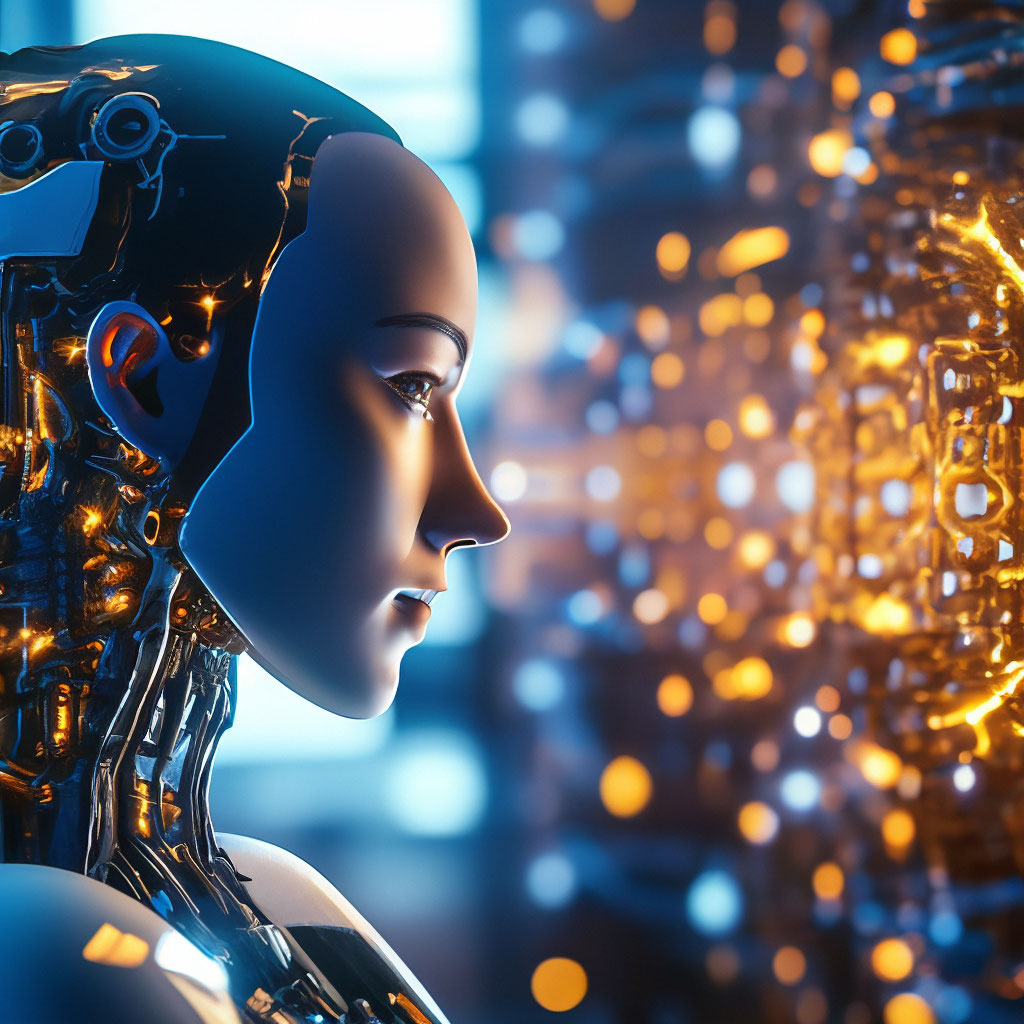
International research team from Moorfields Eye Hospital and University College London achieved significant progress in early detection and treatment of keratoconus. Serious ophthalmological disease capable of leading to complete vision loss. Scientists developed AI algorithm capable of predicting disease development with high accuracy already at first appointment with ophthalmologist. Which radically changes approach to treating this pathology.
Keratoconus is a degenerative disease. In which progressive thinning and bulging of cornea occurs. Leading to serious vision impairments. This pathology affects approximately 1 in 350 people. Predominantly affecting teenagers and young adults. Traditionally, doctors required years of observations.
Medics and researchers created massive database for this. Based on large-scale analysis of 36,000 eye scans. Obtained from nearly 7,000 patients. This extensive database enabled creation of powerful AI model. Capable of determining with 90% accuracy whether urgent intervention is necessary or regular monitoring is sufficient.
Now implementation of AI in clinical practice will allow preserving vision for large number of patients.
AIvengo >
Reviews >
How artificial intelligence helps predict vision loss
Почитать из последнего
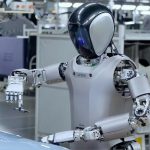
UBTech will send Walker S2 robots to serve on China's border for $37 million
Chinese company UBTech won a contract for $37 million. And will send humanoid robots Walker S2 to serve on China's border with Vietnam. South China Morning Post reports that the robots will interact with tourists and staff, perform logistics operations, inspect cargo and patrol the area. And characteristically — they can independently change their battery.
AI chatbots generate content that exacerbates eating disorders
A joint study by Stanford University and the Center for Democracy and Technology showed a disturbing picture. Chatbots with artificial intelligence pose a serious risk to people with eating disorders. Scientists warn that neural networks hand out harmful advice about diets. They suggest ways to hide the disorder and generate "inspiring weight loss content" that worsens the problem.
OpenAGI released the Lux model that overtakes Google and OpenAI
Startup OpenAGI released the Lux model for computer control and claims this is a breakthrough. According to benchmarks, the model overtakes analogues from Google, OpenAI and Anthropic by a whole generation. Moreover, it works faster. About 1 second per step instead of 3 seconds for competitors. And 10 times cheaper in cost per processing 1 token.