How OpenAI turned into corporate evil: the subpoena scandal
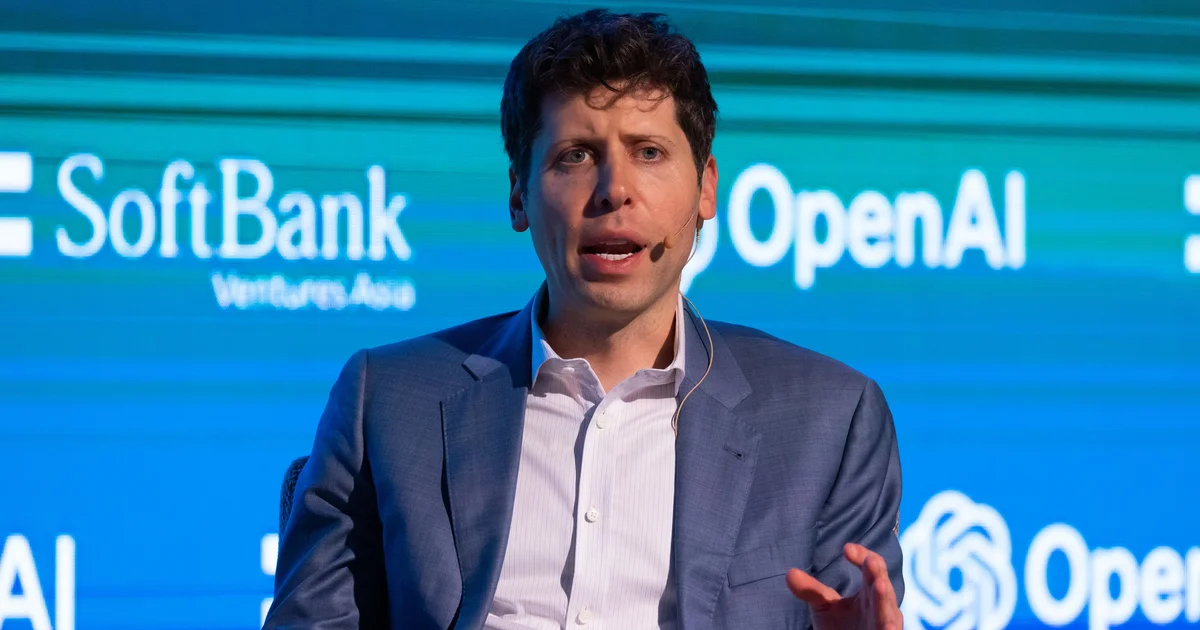
You know what’s going on in the world of artificial intelligence? While everyone admires OpenAI’s latest achievements, the company is quietly turning into the very corporate evil they supposedly fought against. And here’s a fresh example for you – a story that blew up Twitter.
So, there’s a guy named Nathan Calvin. An ordinary lawyer from a tiny non-profit organization Encode. Just 3 people in the company. They do what they try to make the artificial intelligence industry at least a little bit safer and more transparent. In particular, they promoted a California bill that was supposed to make AI giants play by fair rules: transparency, model safety, whistleblower protection. Sounds reasonable, right?
But here’s the problem – OpenAI didn’t like it at all. And here’s where it gets interesting. The company that positions itself as the savior of humanity decided to play dirty. Nathan suddenly gets a subpoena. They demand personal correspondence with California legislators, students, former OpenAI employees. Everything there is. Link in the description.
And now the funniest part – this subpoena is supposedly related to OpenAI’s lawsuit against Elon Musk! Yes, that very Musk they accuse of organizing some kind of conspiracy against them in early 2025. Using this case as a cover, OpenAI can now intimidate everyone undesirable. Moreover, the connection between Nathan’s correspondence about the bill and the case with Musk is a complete mystery. Even the judge couldn’t stand it and criticized OpenAI for abuse of procedure and excessive pressure.
Imagine the picture. 3 lawyers against a corporate machine with endless resources. This isn’t a legal process – it’s banal intimidation. And OpenAI understands this perfectly. Why argue on substance when you can just crush with mass? While the thread gets 6 million views and goes viral all over the internet, the company itself is silent. Awkward, right?
The irony is that the bill was still signed a couple of weeks ago. But OpenAI taught everyone else a lesson. Want to criticize us – get ready for a legal war. So much for the mission to create safe artificial intelligence for the benefit of all humanity. When a corporation starts strangling those who try to make it safer – it’s time to think about who the real threat is here.