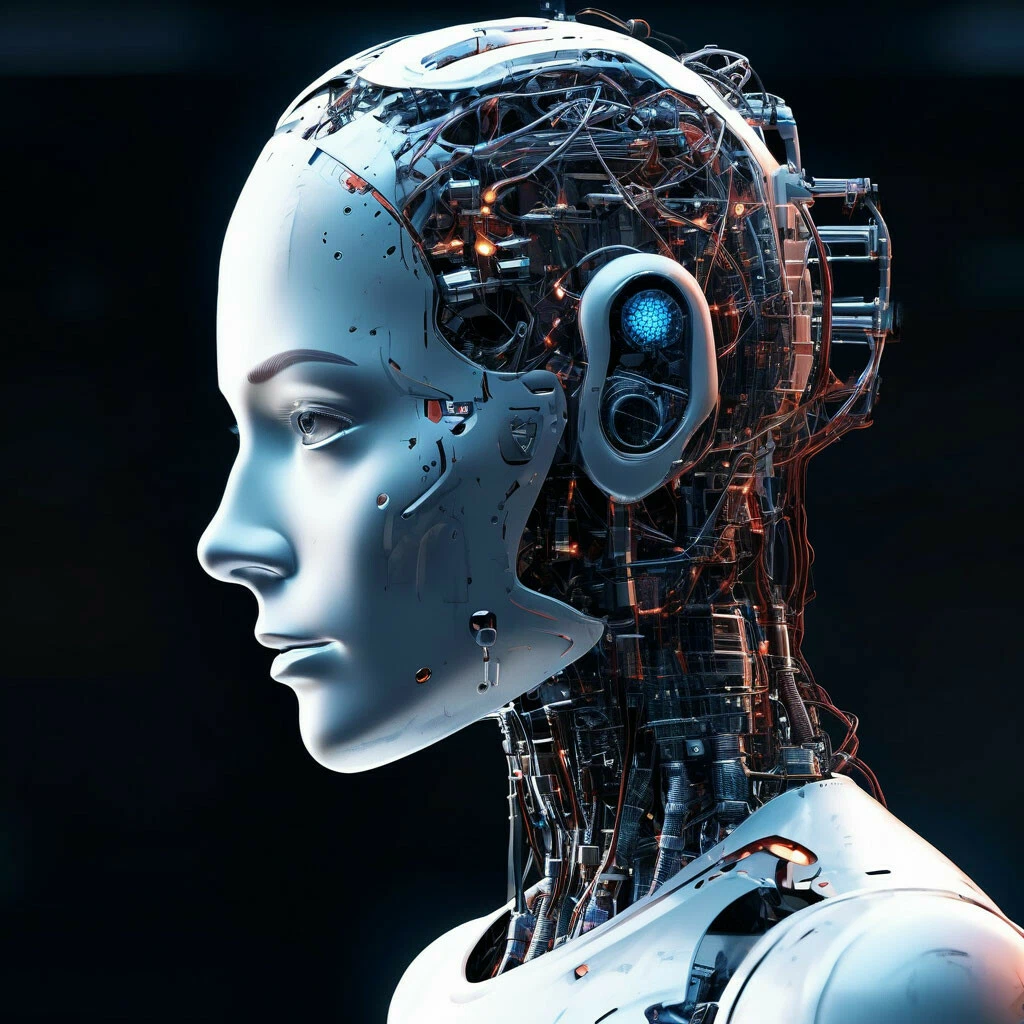
Media giants filed lawsuit against Hailuo AI creator on eve of IPO
Disney, Warner Bros. Discovery and NBCUniversal joined forces and filed lawsuit against Chinese AI company MiniMax, which created video and image generator Hailuo AI.
Particularly interesting is the timing of lawsuit filing. Right before potential IPO of Chinese company in Hong Kong!
Media giants accuse MiniMax of large-scale “piracy” of intellectual property and ignoring American copyright legislation. They accuse that MiniMax users can generate videos with iconic characters like Darth Vader without any licensing agreements!
These media companies could have been prompted to this lawsuit by a rather bold marketing move by MiniMax. Namely positioning their service as “Hollywood studio in your pocket”. Which caused particular outrage among these rights holders. Will AI remain a free creator or will it be limited by framework of licensing agreements? The court will decide.
Autor: AIvengo
For 5 years I have been working with machine learning and artificial intelligence. And this field never ceases to amaze, inspire and interest me.
Latest News
UBTech will send Walker S2 robots to serve on China's border for $37 millionChinese company UBTech won a contract for $37 million. And will send humanoid robots Walker S2 to serve on China's border with Vietnam. South China Morning Post reports that the robots will interact with tourists and staff, perform logistics operations, inspect cargo and patrol the area. And characteristically — they can independently change their battery.
AI chatbots generate content that exacerbates eating disordersA joint study by Stanford University and the Center for Democracy and Technology showed a disturbing picture. Chatbots with artificial intelligence pose a serious risk to people with eating disorders. Scientists warn that neural networks hand out harmful advice about diets. They suggest ways to hide the disorder and generate "inspiring weight loss content" that worsens the problem.
OpenAGI released the Lux model that overtakes Google and OpenAIStartup OpenAGI released the Lux model for computer control and claims this is a breakthrough. According to benchmarks, the model overtakes analogues from Google, OpenAI and Anthropic by a whole generation. Moreover, it works faster. About 1 second per step instead of 3 seconds for competitors. And 10 times cheaper in cost per processing 1 token.