Post Thumbnail

Musk threatens to disrupt OpenAI deal with UAE demanding to include xAI in project
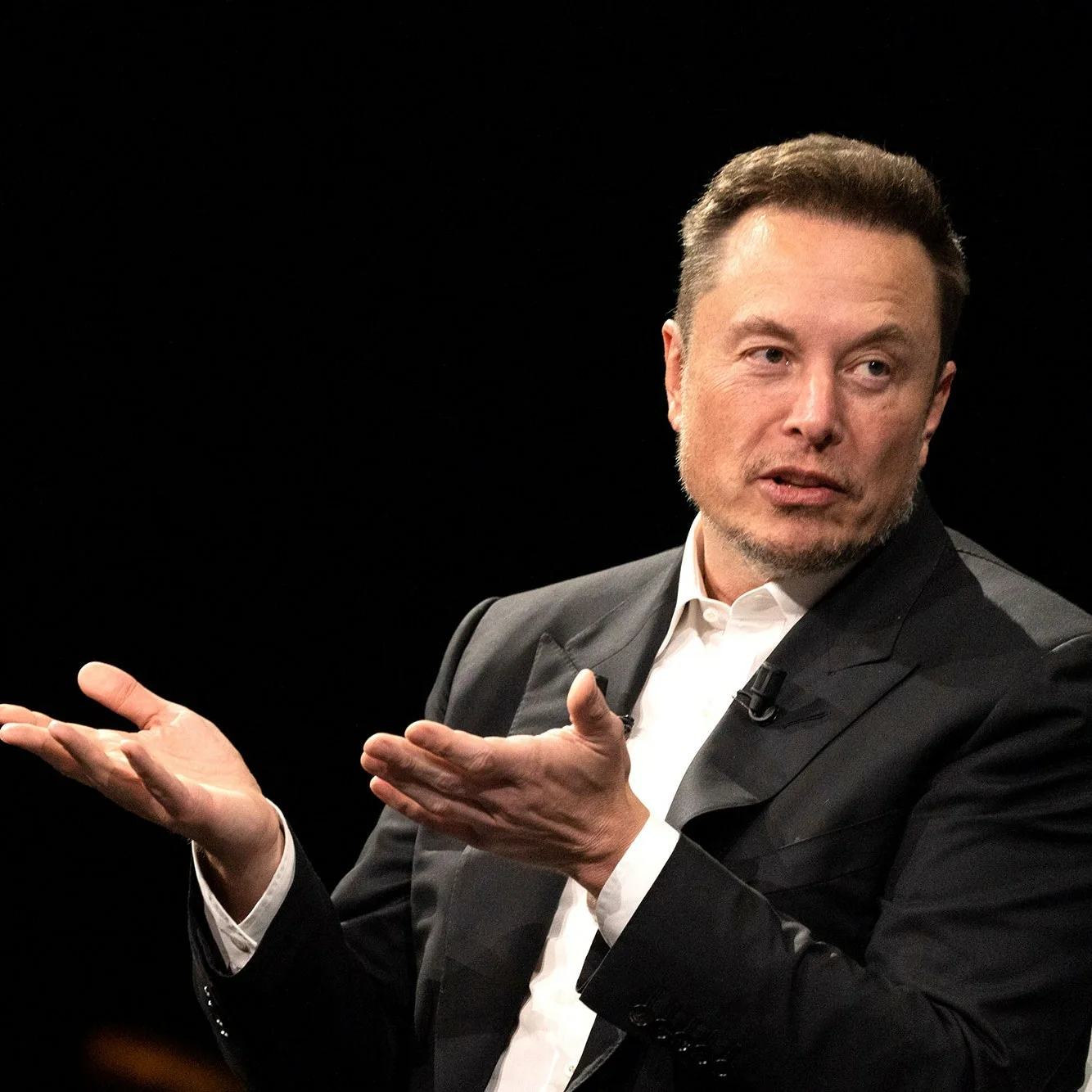
An interesting technological drama is unfolding in the Middle East involving the world’s largest artificial intelligence players. OpenAI and the Abu Dhabi government concluded an agreement to create a powerful data center. But there’s one problem – Elon Musk made considerable efforts to change the terms of this deal. He insisted on including his own startup xAI in the agreement and even used quite an unconventional argument in negotiations with G42 fund. Musk told UAE representatives that the Trump administration would not approve the deal if xAI wasn’t participating in it. For the United Arab Emirates, artificial intelligence development is a strategic issue of economic diversification and reducing dependence on oil revenues. And the country has already promised serious investments in the US economy and is actively working on softening export rules for high-performance artificial intelligence chips. Therefore, attracting American technology companies became a key element of their strategy. So xAI company is still considered as a potential candidate for future placement of its computing capacities in the region.

Musk and OpenAI’s confrontation for influence in the Emirates shows that the real artificial intelligence race is not only about technologies. But also about control over physical infrastructure in geostrategically important regions. Where resources are available for creating world-scale computing capacities.

Autor: AIvengo
For 5 years I have been working with machine learning and artificial intelligence. And this field never ceases to amaze, inspire and interest me.
Latest News
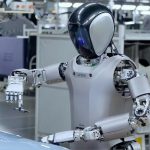
UBTech will send Walker S2 robots to serve on China's border for $37 million

Chinese company UBTech won a contract for $37 million. And will send humanoid robots Walker S2 to serve on China's border with Vietnam. South China Morning Post reports that the robots will interact with tourists and staff, perform logistics operations, inspect cargo and patrol the area. And characteristically — they can independently change their battery.

Anthropic accidentally revealed an internal document about Claude's "soul"

Anthropic accidentally revealed the "soul" of artificial intelligence to a user. And this is not a metaphor. This is a quite specific internal document.

Jensen Huang ordered Nvidia employees to use AI everywhere

Jensen Huang announced total mobilization under the banner of artificial intelligence inside Nvidia. And this is no longer a recommendation. This is a requirement.

AI chatbots generate content that exacerbates eating disorders

A joint study by Stanford University and the Center for Democracy and Technology showed a disturbing picture. Chatbots with artificial intelligence pose a serious risk to people with eating disorders. Scientists warn that neural networks hand out harmful advice about diets. They suggest ways to hide the disorder and generate "inspiring weight loss content" that worsens the problem.

OpenAGI released the Lux model that overtakes Google and OpenAI

Startup OpenAGI released the Lux model for computer control and claims this is a breakthrough. According to benchmarks, the model overtakes analogues from Google, OpenAI and Anthropic by a whole generation. Moreover, it works faster. About 1 second per step instead of 3 seconds for competitors. And 10 times cheaper in cost per processing 1 token.