Post Thumbnail

SoftBank and OpenAI to build large-scale AI data center in Japan
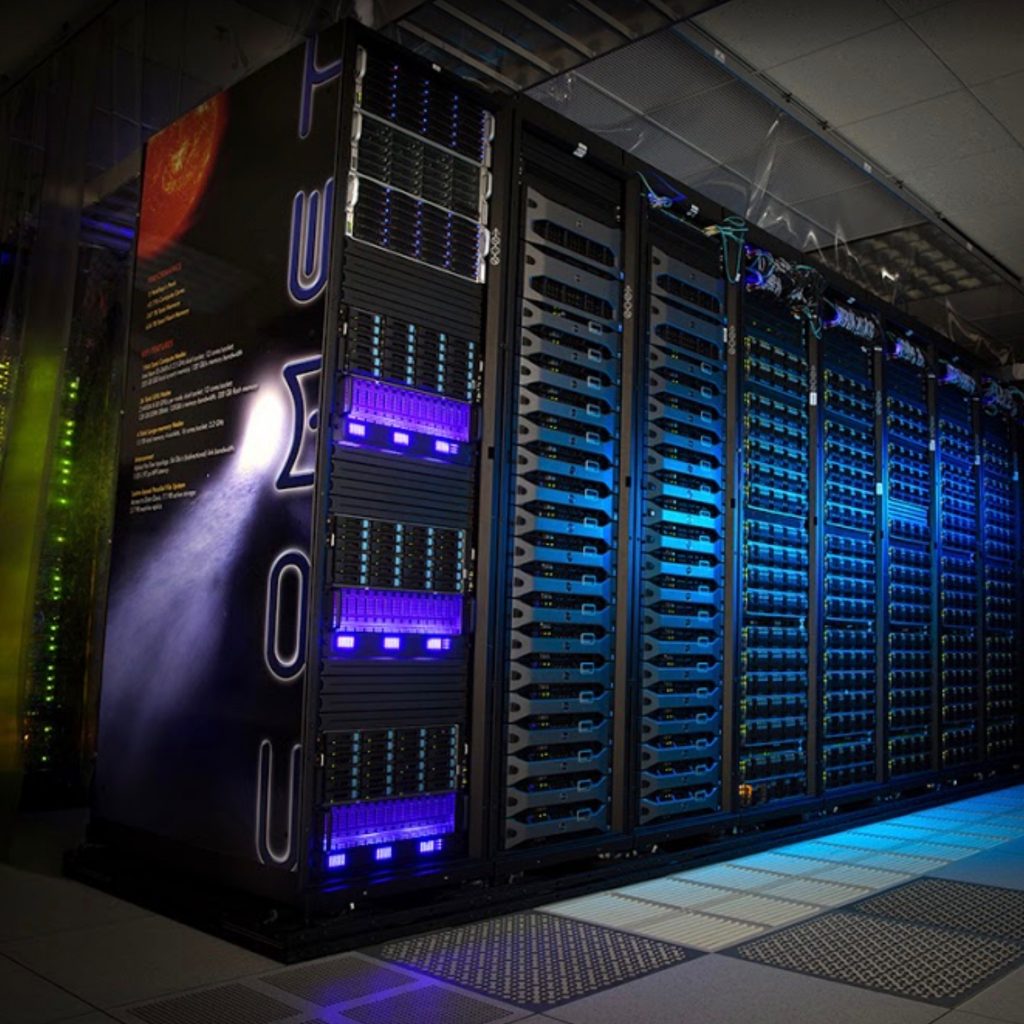
The telecommunications giant plans to acquire a former Sharp LCD panel factory for 100 billion yen and transform it into one of the country’s largest data centers for serving AI agents.

SoftBank plans to transform a former Sharp LCD panel factory in Japan into a data center for operating artificial intelligence agents developed in collaboration with the American company OpenAI, creator of ChatGPT.

The Japanese telecommunications giant intends to acquire the facility and part of the land at the closed Sharp LCD TV factory in Osaka for approximately 100 billion yen ($677.05 million). This acquisition will be a key element in SoftBank’s strategy to strengthen its position in the artificial intelligence market.

The center is expected to begin operations in 2026 and become one of the largest in Japan, with a power consumption capacity of 150 megawatts. Such significant energy capabilities are necessary to ensure the operation of complex next-generation artificial intelligence models.

The partnership between SoftBank and OpenAI aims to commercialize OpenAI’s AI agent model in Japan. The companies plan to train the model on client company data and offer customizable AI agents adapted to the specific needs of the Japanese market.

According to Nikkei, investments in the project are expected to be significant — potentially approaching 1 trillion yen ($6.77 billion). This indicates the scale of both companies’ ambitions for developing artificial intelligence technologies in the Asia-Pacific region.

This partnership could significantly change the landscape of AI technologies in Japan, creating local infrastructure for processing large volumes of data and training artificial intelligence models with regional specifics in mind.

Autor: AIvengo
For 5 years I have been working with machine learning and artificial intelligence. And this field never ceases to amaze, inspire and interest me.
Latest News
AI chatbots generate content that exacerbates eating disorders

A joint study by Stanford University and the Center for Democracy and Technology showed a disturbing picture. Chatbots with artificial intelligence pose a serious risk to people with eating disorders. Scientists warn that neural networks hand out harmful advice about diets. They suggest ways to hide the disorder and generate "inspiring weight loss content" that worsens the problem.

OpenAGI released the Lux model that overtakes Google and OpenAI

Startup OpenAGI released the Lux model for computer control and claims this is a breakthrough. According to benchmarks, the model overtakes analogues from Google, OpenAI and Anthropic by a whole generation. Moreover, it works faster. About 1 second per step instead of 3 seconds for competitors. And 10 times cheaper in cost per processing 1 token.

Altman declared red alert at OpenAI due to Google's successes

Sam Altman declared "red alert level" at OpenAI, and this is not just corporate drama. This is an admission that the market leader felt competitors breathing down their neck. According to an internal memo, he is mobilizing additional resources to improve ChatGPT amid growing threats from Google.

Users spend more time with Gemini than with ChatGPT

OpenAI still leads in user numbers, but people are starting to spend more time with competitors. And this creates a serious problem.

Companies are bringing back 5% of those fired due to AI implementation failure

Many companies began bringing back employees fired because of artificial intelligence. Analytics company Visier studied employment data of 2.5 million employees from 142 companies worldwide. About 5% of fired employees subsequently returned to their previous employer. This indicator remained stable for several years, but recently began to rise.